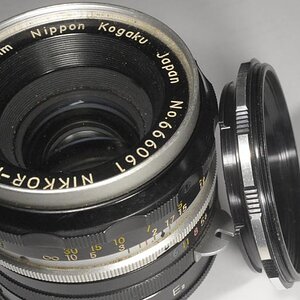
Canon has a 60Da camera. The a is for "Astrophotography," something to do with the coatings on the sensor.
Canon U.S.A. : Professional Imaging Products : EOS 60Da
I have this camera.
Prior to digital, "film" photography didn't have a problem with UV or IR light because the film itself was designed to be sensitive to the wavelengths you were interested in using. Digital sensors, on the other hand, actually ARE sensitive to both UV and IR light (the spectrum that the sensor can detect goes beyond what humans can see). The "problem" with a sensor that can see more than the human eye is that a lens refracts light like a prism. A low quality lens can cause color "fringing" on the edges of subjects within an image - where the edge has a blue fringe on one side and red on the other. This is because the periphery of the lens works like a prism and tries to split light into it's constituent wavelengths. Since UV and IR are even farther out of the spectrum, the fringing from UV and IR would be even stronger than it is for blue & red. This results in images that look "soft" even when they're correctly focused.
To combat the problem, every camera manufacturer adds both UV and IR filters inside the camera and these are located directly in front of the imaging sensor (not on the lens.)
That's for "normal" photography. But for astrophotography, the camera won't really image UV light (because UV light is the easiest to block -- very little UV light arrives). The IR spectrum, on the other hand, penetrates clouds & dust as well as the earth's atmosphere more easily. You can get stronger astrophotography images if you have a camera which is more sensitive to IR light.
Many astrophotographers will use a standard DSLR, but then modify the camera by removing the IR cut filter and either replacing it with a clear filter or replacing it with a much weaker IR filter. This does, of course, void the camera's warranty.
Canon used to make an astrophotography edition of the 20D -- called the 20Da. They stopped producing that quite a while back, but there was enough demand, that they decided to market a pre-modified version of the 60D called the 60Da. The camera is about 3 times more sensitive to IR light specifically in the hydrogen alpha band.
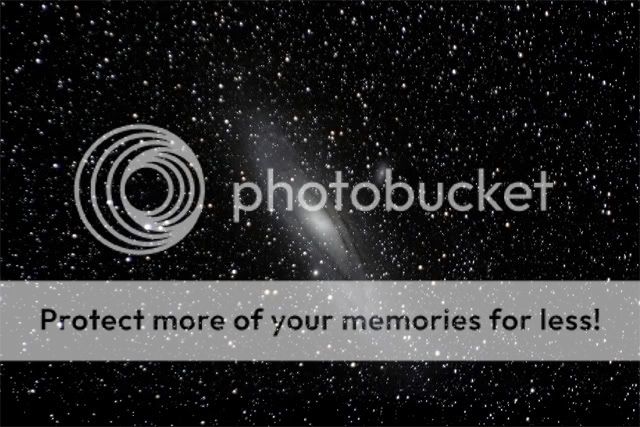
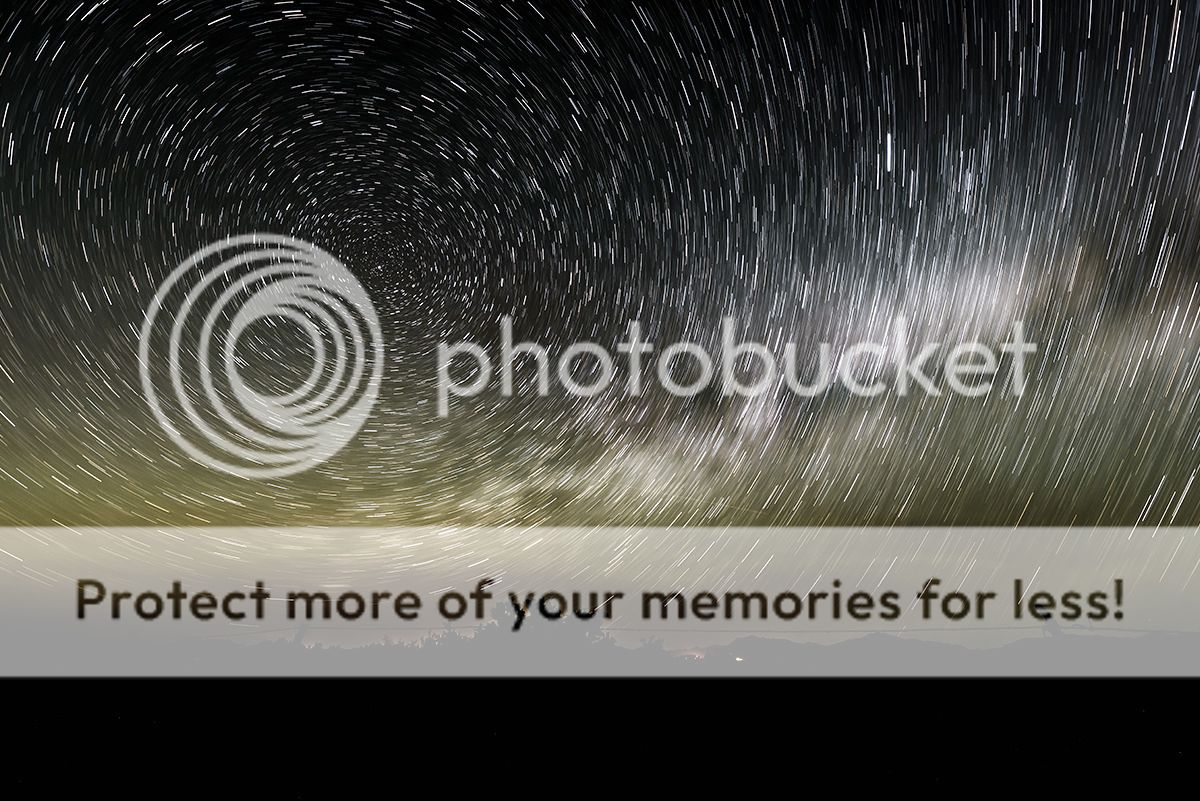
I've noticed that if I take a photo with a standard DSLR vs. a photo with the 60Da that the exposure times on the 60Da are considerably shorter and look better as compared to an unmodified camera. Very serious imagers use special cooled imaging systems by companies such as SBIG, Finger Lakes, or Apogee, etc. and these cameras are unfiltered monochrome cameras. The astrophotographer uses a filter wheel to create color images by taking multiple images by selecting the bandwidths they want to allow through the filters.








![[No title]](/data/xfmg/thumbnail/37/37659-7302b7a4f9ae50a952748e8b395695fe.jpg?1734170815)


![[No title]](/data/xfmg/thumbnail/41/41936-6640bf1c1d4b16a38584d756ef285c5e.jpg?1734176290)



![[No title]](/data/xfmg/thumbnail/37/37658-89245697846ece2c4ecbce304510699b.jpg?1734170813)