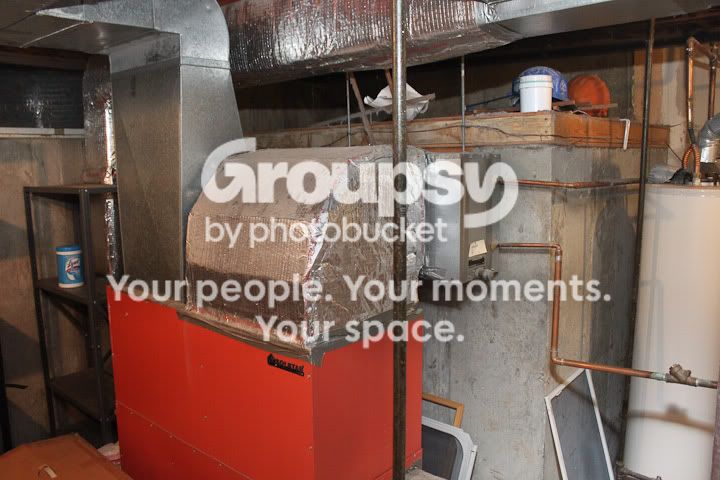
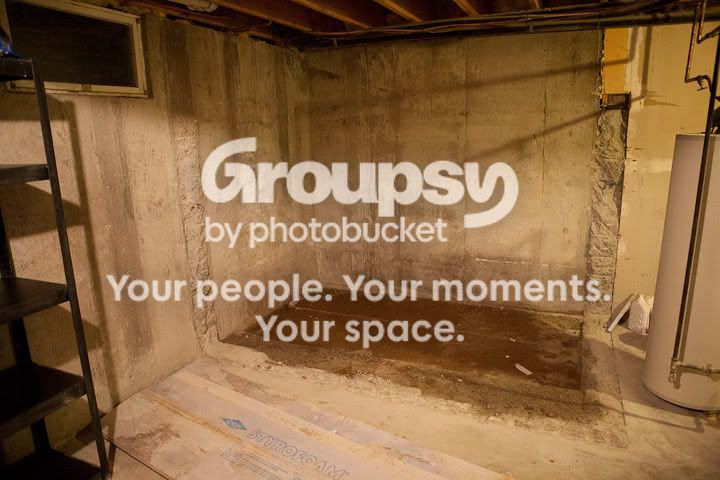
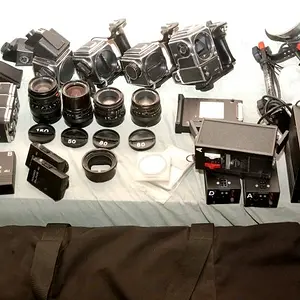
Well, think about some very shallow light modifiers; instead of old-style "deep" softboxes, look into some of the shallower ones. Instead of a deep octabox, you'd do better with a shallower,enclosed umbrella or other light that is shallow front-to-back. The ceiling height of 7'5" means you'll be doing mostly seated stuff on adults, I would think. When you work in a small, low-ceilinged place like a basement or apartment with 8 foot ceilings, there is a REAL and significant advantage to lighting with modifiers that give you LOTS of control. For one example: a shoot thru umbrella in a 7'5" ceilinged room will provide main light, fill light, and ambient light--because it spews light ALL OVER THE PLACE!!! 40% forward, 50% backward, 10% off to all sides; in a low-ceiling room larger shoot thru umbrellas tend to up the overall ambient light, and produce poor results on people when used with studio flashes. I know what David Hobby says about choking an umbrella down onto the shaft of a shoot-thru umbrella, and placing it 1 foot 1 in ch from a person's face, which is fine if all you need to do is come back with a headshot for a newspaper story. If you want to do "portraiture" in a low ceilinged room, a deeply-recessed face, egg-crate grid softbox with a shallow profile is an ideal tool. The recessed face helps add directionality, and the grid reinforces that. Even JUST the recessed face is better than a flush-face softbox in such a confined room. You need the ability to "control" your lights, in terms of both watt-seconds of output, and in terms of beam spread and fall-off. A wall-mounted boom arm in a basement studio is nice; so are exposed pipes that can be used with Manfrotto pipe clamps and spigots to mount lights to.You want almost the exact opposite of what you'd want if you were shooting in a warehouse studio.