- Joined
- Sep 13, 2013
- Messages
- 1,545
- Reaction score
- 636
- Location
- United States, PNW
- Can others edit my Photos
- Photos OK to edit
Not exactly the color I wanted, as I forgot my ISO was set at 800!! oops. Now the moon has disappeared behind trees for a while. I'll give it another crack another time.
f/11, @ 250, 800 ISO, 300mm
Nikkor 55-300 lens
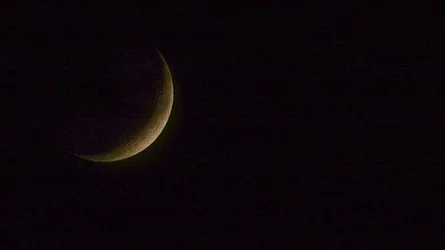
Any recommendations? should ISO be higher or lower to get the more silvery effect?
f/11, @ 250, 800 ISO, 300mm
Nikkor 55-300 lens
Any recommendations? should ISO be higher or lower to get the more silvery effect?


 From what I understand, if you were shooting at 300mm, you'd want to keep your SS at or above /300 since all camera shake is magnified with longer Lens's.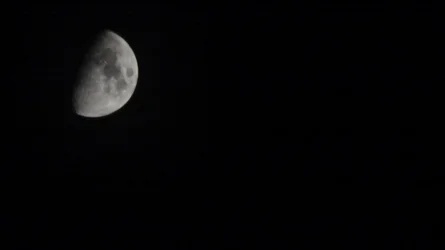


![[No title]](/data/xfmg/thumbnail/35/35587-16c570d2927f2a9ea1945320686eca01.jpg?1734167214)
![[No title]](/data/xfmg/thumbnail/41/41902-e45a2db116295062060b22cde75818ed.jpg?1734176267)