Film grain is evenly distributed throughout an image.
No it isn't. Far from it. The behaviour of silver-image film (image made by light passing between distinct, opaque grain clumps) is different from dye-image film (image made by light passing between but mostly though transparent dye clouds), but both have their own graininess characteristics from shadows to highlights because of the way the image is formed (and each layer of colour film has its own graininess characteristic). This is obvious to those of us who are familiar with film images, and it is also obvious if you look at a density vs granularity graph.
Sometimes I wonder how it would feel to know that a subject that you have spent a lifetime, obviously mastering, is now obsolete.
When I entered the work force, I spent many hours debating upon my path, and decided upon one that could not be outsourced and that technology could not overcome. I often wonder what it looks like from the other side of the looking glass.
I won't argue with your point. Honestly, it was over my head and there are very few times that happens to me.
But whatever it is that you are talking about is so far removed from modern photography that an understanding of it in anything beyond a 'feel' is completely irrelevent.
In this case, Tyler's 'feel' that it is a certain way is just as valid as your facts that it is not.



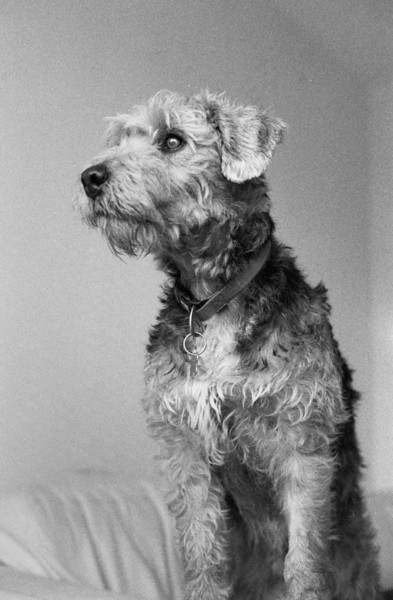
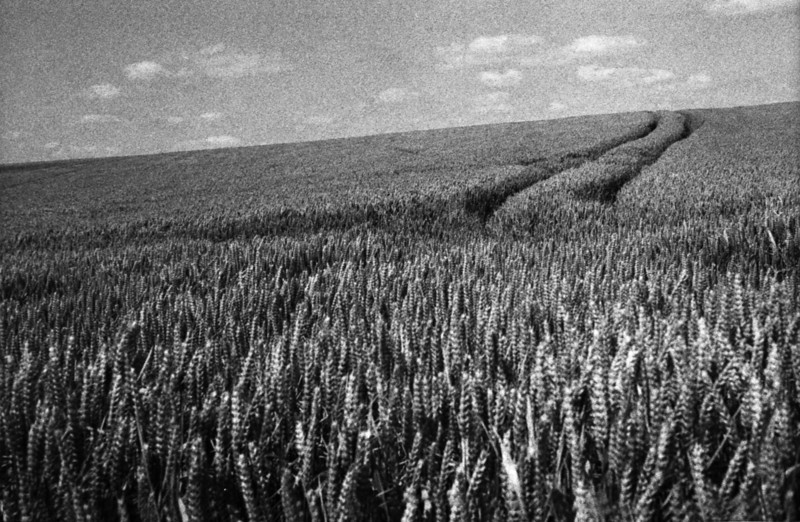


 he probably used 25 asa, i take it you have never shot film


![[No title]](/data/xfmg/thumbnail/40/40291-922170cc27b31d44c3f7f3db9ac1d006.jpg?1734174704)





![[No title]](/data/xfmg/thumbnail/33/33906-2f9b24e4b1e1be07f68257916df0f2b3.jpg?1734164328)