What's new

My long exposure picture is too bright

hamlet

No longer a newbie, moving up!
Joined
Sep 12, 2013
Messages
2,894
Reaction score
435
Location
Belgium
Can others edit my Photos
Photos OK to edit
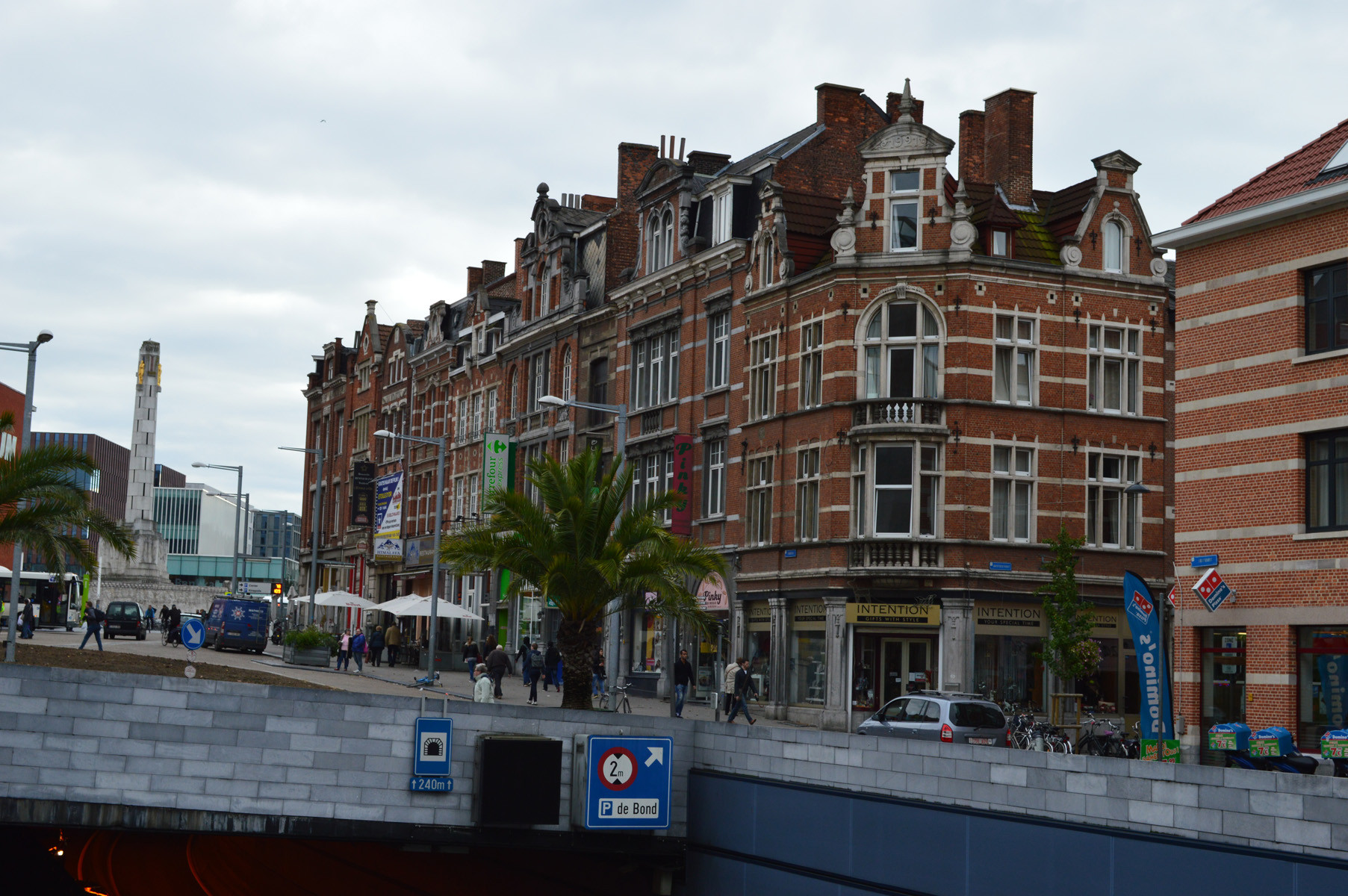
So i took a picture on a very cloudy day of a two way car tunnel. Here is how my picture turned out:
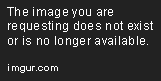
yvn9RSh.jpg


What can i do to make this picture less bright? This was taken on my d3200 with the shutter speed at its slowest setting.
 
So i took a picture on a very cloudy day of a two way car tunnel. Here is how my picture turned out: What can i do to make this picture less bright? This was taken on my d3200 with the shutter speed at its slowest setting.

Shares the Exif ?
 
What can i do to make this picture less bright? This was taken on my d3200 with the shutter speed at its slowest setting.

Well for starters you cannot just put your camera on the slowest setting and expect to get a proper exposure. You really need to understand the exposure triangle to understand how to do this.

If an image is overexposed when using a long shutter speed then you need to compensate by changing the other two parts of the exposure triangle, or by using a ND filter to let less light in.

So like I said. You NEED to learn the exposure triangle!!!
 
provide your shutter speed, aperture setting, ISO setting, etc

but you can, say stop down your aperture from 5.6 to 9
or speed up your shutter from 6 seconds to 2 seconds
or if your ISO was too high like say 1600 decrease it to 100.

Maybe your exposure setting got changed ... could be multiple ways to fix dependent upon the outcome you want.


basically, you have too much light. So control that with the aperture (bigger f number), shutter (not so slow) or ISO (not so high).
 
It is a jpeg on fine setting.

Here is the original
http://i.imgur.com/8rLHowZ.jpg

^That's not what he wants to know.

We need to know the specific shutter speed this was shot at (not just "slowest setting"--the "slowest" setting would be "bulb", I'd think, which allows you to leave it open as long as you want). We need to know the aperture as well. And the ISO setting.
Did you have any sort of filter on the camera? What lens?

"Very cloudy" can still be REALLY light when you're talking about long exposures. If the shutter speed was at its "slowest setting" you were letting a LOT of light in. If it was set at 30 seconds, say--that is a LOT of light that's going to get in, even on a VERY cloudy day.
Many nighttime long-exposures don't even need 30 seconds.

At the risk of sounding rude, judging from what I've seen in your other posts, I'd really suggest you not try long-exposure daytime shots just yet. You REALLY need to get a better handle on the basics of exposure and focus before you start experimenting with things like this.
 
Well for starters you cannot just put your camera on the slowest setting and expect to get a proper exposure. You really need to understand the exposure triangle to understand how to do this. If an image is overexposed when using a long shutter speed then you need to compensate by changing the other two parts of the exposure triangle, or by using a ND filter to let less light in. So like I said. You NEED to learn the exposure triangle!!!
^That's not what he wants to know. We need to know the specific shutter speed this was shot at (not just "slowest setting"--the "slowest" setting would be "bulb", I'd think, which allows you to leave it open as long as you want). We need to know the aperture as well. And the ISO setting. Did you have any sort of filter on the camera? What lens? "Very cloudy" can still be REALLY light when you're talking about long exposures. If the shutter speed was at its "slowest setting" you were letting a LOT of light in. If it was set at 30 seconds, say--that is a LOT of light that's going to get in, even on a VERY cloudy day. Many nighttime long-exposures don't even need 30 seconds. At the risk of sounding rude, judging from what I've seen in your other posts, I'd really suggest you not try long-exposure daytime shots just yet. You REALLY need to get a better handle on the basics of exposure and focus before you start experimenting with things like this.


^^^^^^^* this
 
Regarding the first image, how did you determine what the exposure should be, and what was your thinking process in deciding which setting to set the camera to? Why were you interested in the slowest shutter speed?
 
I think i understand, my shutter speed was set at 30 sec and iso was at 1600. There was no filter attached to my lens because the amazon hasn't delivered yet.

It is a jpeg on fine setting.

Here is the original
http://i.imgur.com/8rLHowZ.jpg

^That's not what he wants to know.

We need to know the specific shutter speed this was shot at (not just "slowest setting"--the "slowest" setting would be "bulb", I'd think, which allows you to leave it open as long as you want). We need to know the aperture as well. And the ISO setting.
Did you have any sort of filter on the camera? What lens?

"Very cloudy" can still be REALLY light when you're talking about long exposures. If the shutter speed was at its "slowest setting" you were letting a LOT of light in. If it was set at 30 seconds, say--that is a LOT of light that's going to get in, even on a VERY cloudy day.
Many nighttime long-exposures don't even need 30 seconds.

At the risk of sounding rude, judging from what I've seen in your other posts, I'd really suggest you not try long-exposure daytime shots just yet. You REALLY need to get a better handle on the basics of exposure and focus before you start experimenting with things like this.

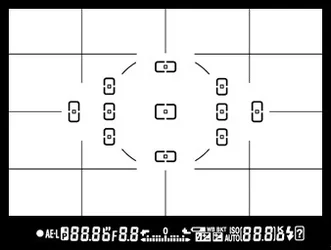
My camera was set on the picture with mountains on it. I only know how to set my focus on a single point like a hamster. I'm sure there is a setting in there that lets me pic more dots to focus on.

$1602_07.webp
 
Regarding the first image, how did you determine what the exposure should be, and what was your thinking process in deciding which setting to set the camera to? Why were you interested in the slowest shutter speed?

I was just curious.
 
My camera was set on the picture with mountains on it. I only know how to set my focus on a single point like a hamster. I'm sure there is a setting in there that lets me pic more dots to focus on.

Your focus point & focus settings are not relevant. It has nothing to do with exposure.

Here's what we need to know:

ISO
Shutter speed
Aperture.

We need all three.
 
What camera are you using?

Cameras that allow manual setting of the shutter speed, lens aperture and ISO have a light meter that measures how much reflected light there is in a scene.
Those cameras also usually offer 3 or more light metering modes:
One that averages all the reflected light in a scene. Nikon calls that Matrix metering mode. Canon calls it Evaluative metering mode.
One that weights the central 70% or so of the scene, or Center-weighted metering mode.
And Spot metering that only samples a small spot that is 2% to 5% or so of the reflected light in a scene.

As any of the 3 settings are changed, the light meter indicates if over exposure or under exposure will result when the shutter is released.
 
My camera was set on the picture with mountains on it. I only know how to set my focus on a single point like a hamster. I'm sure there is a setting in there that lets me pic more dots to focus on.

Your focus point & focus settings are not relevant. It has nothing to do with exposure.

Here's what we need to know:

ISO
Shutter speed
Aperture.

We need all three.

30 second exposure
iso 1600
That's all i know because i set on the S symbol. The camera decides all the other settings, but i changed my iso in the menu manually.
 
What camera are you using? Cameras that allow manual setting of the shutter speed, lens aperture and ISO have a light meter that measures how much reflected light there is in a scene. Those cameras also usually offer 3 or more light metering modes: One that averages all the reflected light in a scene. Nikon calls that Matrix metering mode. Canon calls it Evaluative metering mode. One that weights the central 70% or so of the scene, or Center-weighted metering mode. And Spot metering that only samples a small spot that is 2% to 5% or so of the reflected light in a scene. As any of the 3 settings are changed, the light meter indicates if over exposure or under exposure will result when the shutter is released.

D3200
 

Create an account or login to comment

You must be a member in order to leave a comment

Create account

Create an account on our community. It's easy!

Log in

Already have an account? Log in here.

New Topics

Back
Top Bottom