What's new

My long exposure picture is too bright

I tried again with auto aim off. Now i can even take pictures with the lens cover on. It seems that auto focus was the culprit here, damn shame i didn't figure it out when i was out on the field. I could have had some nice shots.
What? This post is confusing. AF is great.

Not in the dark, it's not...
 
Um, AF is great when there's enough light for the sensors to work. Doesn't work as well when it's dark. As in doesn't work at all. That's why the cameras come with AF-assist lights, which kinda work.

Hamlet, what function are you talking about when you say "auto-aim"? I seem to be missing that feature.

On the side of the lens where you have the A/M switch, i switched that to M mode. Now i am able to take pictures virtually in any lighting.

The A/M switch on the lens is the auto-focus/manual switch for the lens. When you switch it to Manual, you are telling the camera that it is NOT responsible for acquiring focus, and therefore the camera is programmed to allow you to press the shutter button any time. The Auto switch tells the camera that IT is responsible, and the camera will NOT let you take a picture until it manages to acquire focus. If it has not been letting you do so in low light conditions, it's because it could not acquire focus, and therefore did not allow you to take an out-of-focus picture.

However, once you switch the lens to manual, YOU need to be sure that the subject you want in focus is actually in focus. Depending on the lens, there is usually a focusing ring (connected in some lens bodies to a distance scale) which allows you to focus on near or far things. Digital cameras, for the most part, and unlike the film SLR's, do not have good ability to show the focus clearly, lacking tools such as split screens that the older SLR's had. For that reason when people need to manually focus, they often use the live-view screen at 5x or 10x enlargement to ensure that the right thing is focused on.

Once you have acquired focus, the next thing to remember is that the zone of focus is a plane, perpendicular to the optical axis of the camera. The "thickness" of the plane of acceptable focus is determined by the aperture, with wide-open apertures (f/1.4, 1.8, 2.0) having very "thin" depths of field, and small apertures like f/11, f/16, f/22 having much "thicker" depths of field. Depth of field also varies by focal length, and sensor size. DOF of f/2.8 on a 14mm lens is much thicker than the DOF of f/2.8 on a 200mm lens. DOF of f/2.8 on a P&S sensor is much deeper than is f/2.8 on a full-frame sensor. These relationships are easily figured out using either apps or DOF tables, or DOF utilities on the web (such as Online Depth of Field Calculator).

 
On my D7000 I'm able to configure AF-C & AF-S Priority Selection to "release" (release priority) which allows the camera to take a photo anytime the release button is pressed. Lens cap off or on. this versus Focus Priority which only takes photos when items are in focus.

I'm not sure if the D5xxx or D3xxx have this option.

but shooting in the dark and wanting the Nikon to shoot without focus is an issue unless you turn off all that stuff. There's been focus testing on Nikon v Canon over this very issue because Nikon has that focus light and Canon doesn't. Interesting stuff.
 
After gathering all this information, this is a very good time to actually read the manual.
It will make sense and it make take time of a strictly hands-on learning curve.
 
So i took a picture on a very cloudy day of a two way car tunnel. Here is how my picture turned out:

What can i do to make this picture less bright? This was taken on my d3200 with the shutter speed at its slowest setting.

I think you put your iSO setting too high when it needs to be at 200.
 
Actually the manual doesn't really explain things well. It explains things perfectly clear, if you understand it.

I bought the book - Mastering the Nikon D7000, by Darrel Young. This was a great book to learn about the camera and features.

I don't know if they make on for the d3100 but I would search out a book about it.

After reading my book, then the manual made total sense and I use it as a good "reference" and not a "learn how" book.
 
I do agree with that. The manual is starting to make more sense now that i understand things more.
 
As of now i'm trying lots and lots of amateurish techniques to figure out what kind of photographer i want to be and to experiment as much as possible to learn things while i'm on the go. My 18-55's manual focus is so sensitive that even a small bump will put my target out of focus.

Here are some pics i took yesterday:

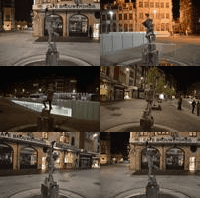
This one is a experimental one where i took a picture from every angle of this statue.

ZRiCawW.gif

large version link: http://i.minus.com/ibuQlD3YmMFgxR.gif

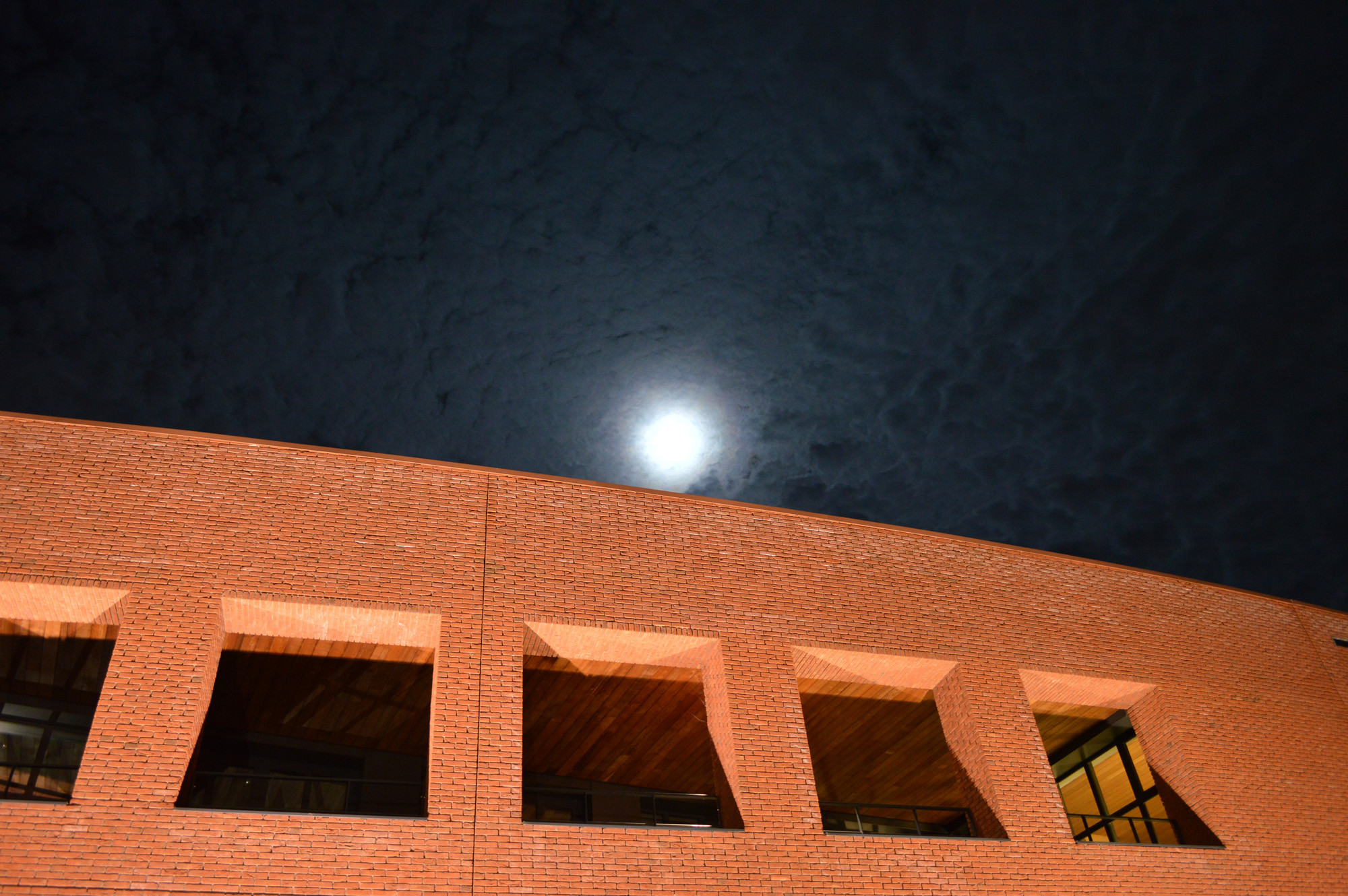
Here i wanted to keep the building in focus but not the sky:

xv23fcK.jpg


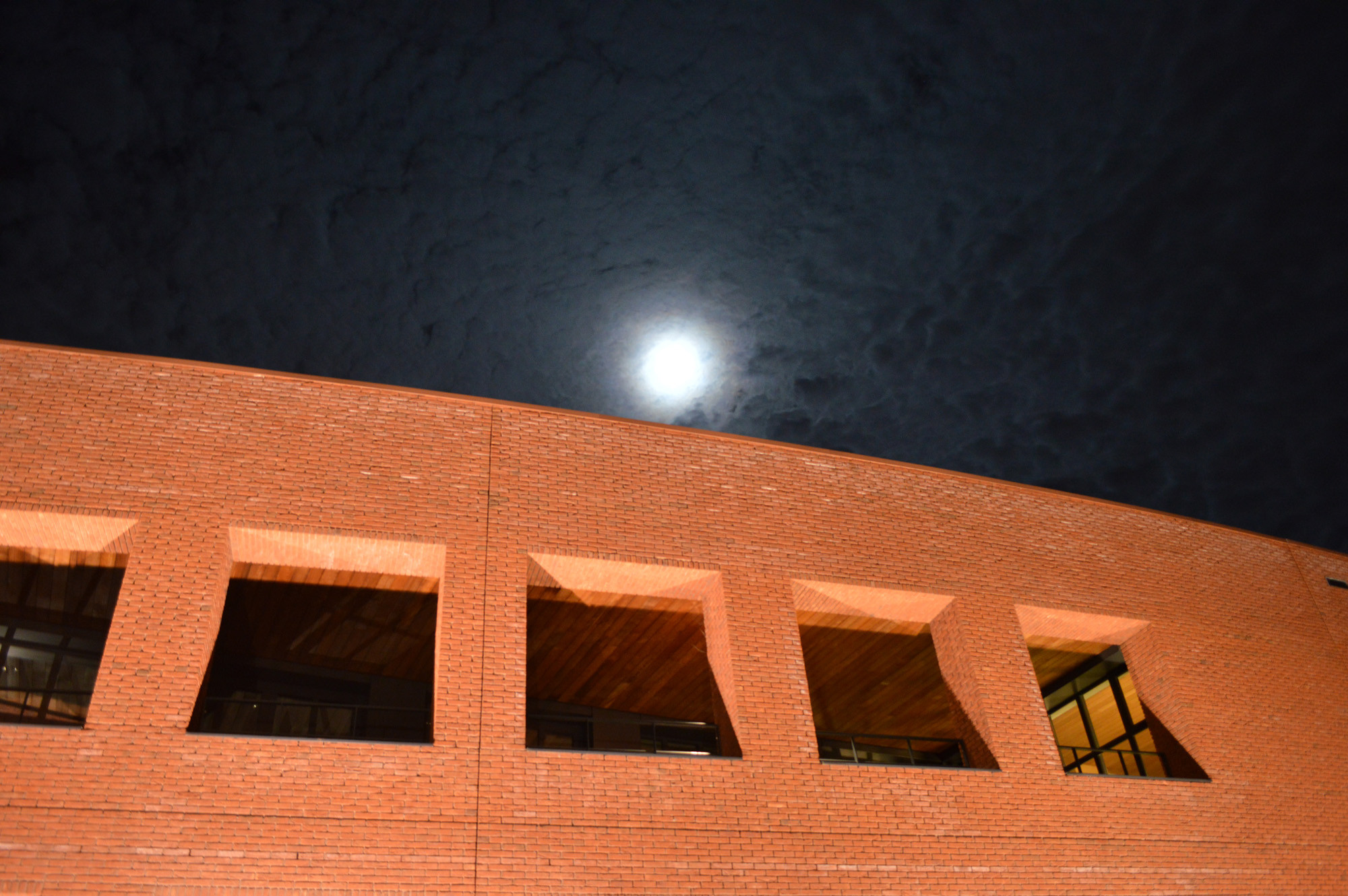
Here i focused on the sky, but not on the building (kind of):

50iXmg5.jpg


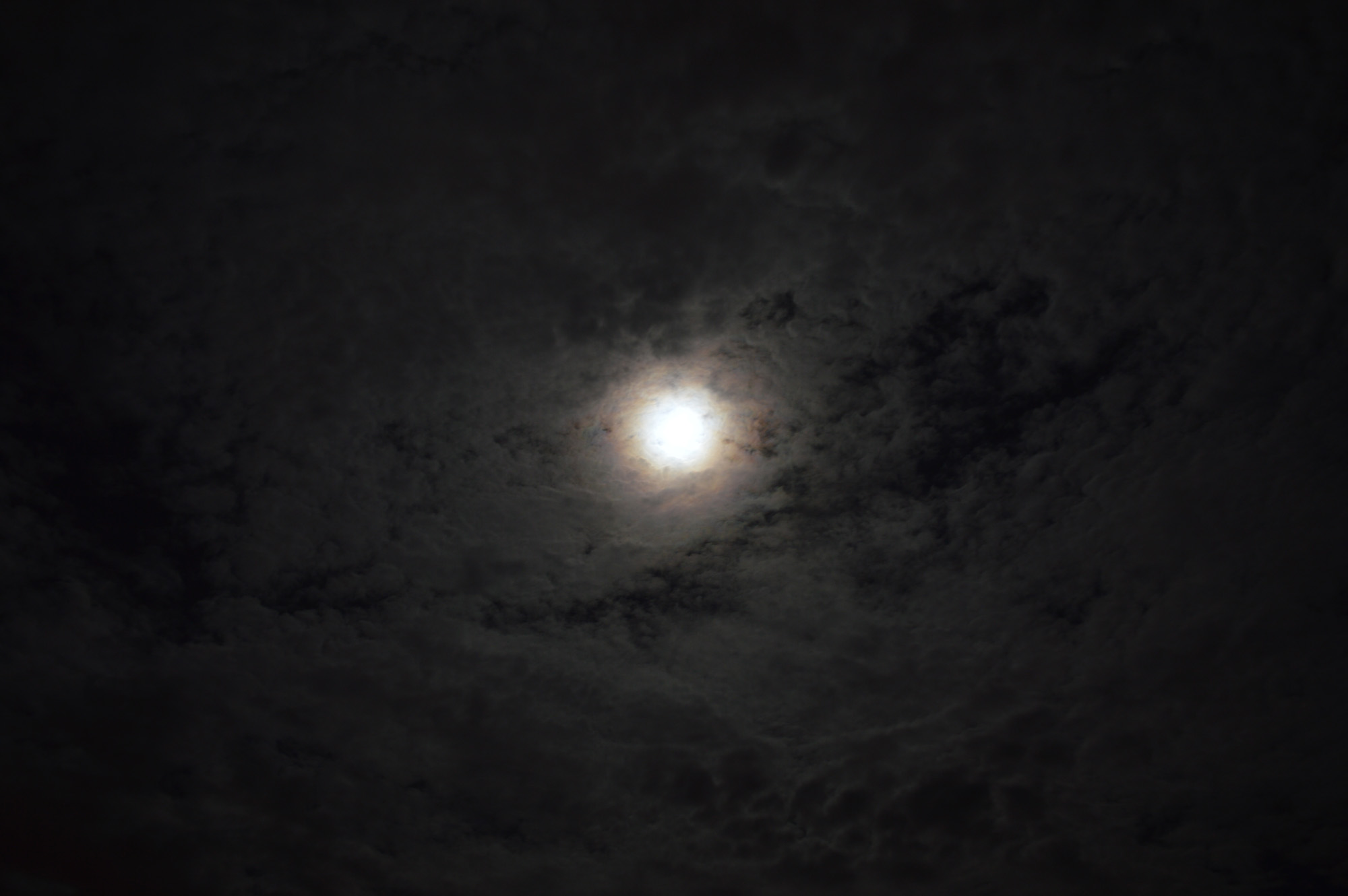
Here i was playing around with the focus to get one of the sky. It has to be one of the best sky pictures i've taken so far, even it it doesn't measure up to someone much more experienced than me.
v8Zcn6l.jpg


This train station shot at night could probably have been one of my best shots. This is towards the end of the night and my dslr's battery so low that my shutter wouldn't work anymore due to low energy. I could see this shot in my head play out, but i screwed it up! Like i'm starting to figure out that the shot i want is already in my head, but i just have to figure out the right moment to go for that illusive shot.
3OH4u8U.jpg


Kind of feel bummed out that i didn't get that last one right. (at least to my amateurish standards)
 
Last edited:
yeah, great !!

I was deleting hundreds of photos this morning of when I first got my camera and I was learning what changing hte shutter speed, or aperture or ISO did.
It was a great learning experience. At one point I tried to learn more than one thing at a time which confused everything.

Then I started to just focus on one thing at a time and I started learning alot more quickly. And the manual and Mastering Book was so much help then.

You've come along way Charlie Brown ... or Mr. Hampster :)
 
I will look into purchasing one of these guides. Though i am really amazed at how well these dslr's are made, so even someone like me can take half decent pictures.
 
I tried again with auto aim off. Now i can even take pictures with the lens cover on. It seems that auto focus was the culprit here, damn shame i didn't figure it out when i was out on the field. I could have had some nice shots.
What? This post is confusing. AF is great.

Not in the dark, it's not...
Exactly!
You are then forced to swich to manual, and use some form of lighting to get the focus if there is no light.
I really suggest you get Petersen's book on exposure as well.
As for the first photo you shot what were you trying to get out of it. Were you looking for trails, or blurred motion of the cars going in and out? During the day that requires the ND filter, or actually more than one if the one you have is not dark enough. Getting trails at night is really easy. But during the day requires the filtration to get the correct settings for the shot. That and low a ISO setting, with the aperture closed down, i.e the larger numbers.
 
Edit: Ya... I didnt realize there were already 7 pages in this thread. I suppose my advice is irrelevant now.
 
To, make your picture less bright try turning your aperture up, and your iso down. That might do the trick your going to have to experiment. PM if you have an questions, I'm more than happy to help.
 

Create an account or login to comment

You must be a member in order to leave a comment

Create account

Create an account on our community. It's easy!

Log in

Already have an account? Log in here.

New Topics

Back
Top Bottom