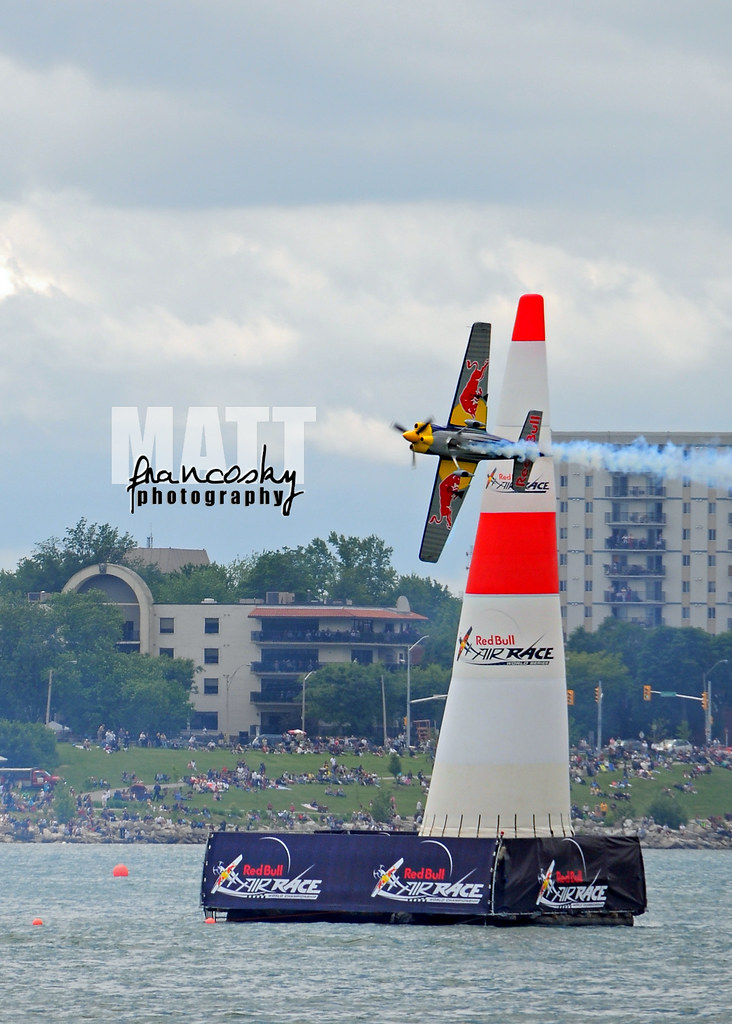
Panning with the subject will give a smoother, more crisp look to high speed action that moves across the film plane, so it's always a good idea to swing the camera along at the speed of the vehicle and as you track it, press the shutter, and continue tracking the subject as the camera shoots. If the light level is not too bright, like let's say it's a cloudy day, I would jack my ISO up to 800 to 1,000, and pan with the action at maybe be pulling an exposure of ISO 800, f/6.3 at 1/250 second (the actual outdoor exposure where I am at today, with heavy overcast but bright skies). 1/250 second will NOT freeze a motorcycle moving at right angles to the camera if the motorcycle is even remotely large in the frame--you will HAVE to pan along with it, and at 1/250, with the bike moving directly left to right, across the frame, and with the bike pretty BIG in the overall frame, the wheels will be nicely blurred, and the background will appear to be whizzing by, and the rider and the decals on the bike will appear sharp. That is what you call "moderate speed panning"...it's probably what you'll be forced to do unless the day is bright and sunny and clear, or you live in a southerly location.
However, at turns, the bikes will be going nowhere near 150 MPH, but more like 45-80 mph, which is significantly slower than straightaway speeds. Still, panning along helps get a crisp-looking bike and ride. Slow-speed panning can be done at lower ISO settings, like 100 to 200, and slower shutter speeds, anywhere from 1/6 second to 1/60 second...depending on the light level...this creates a much more-blurred vehicle, and also limits the number of shots that can be taken as a speeding vehicle approaches, comes even with, and then passes by your shooting position. In the shaded side of a track, this (slow-speed panning) might be your only option later in the day, or if the weather's bad. I prefer the look of more-blurred, more-impressionistic,slow-speed panning to that of absolutely FROZEN, stop-motion shots done at 1/2000 to 1/4000 second in bright light and with help from fast lenses at higher ISO values. There is a continuum, from slow-speed 1/8-1/25 second panning that looks "flowing", and then in the middle is a wonderful area where the wheels are blurred, the background becomes a wash of colors and blurring, and the decals and driver/rider are crisp, and then the totally FROZEN, stop-motion stuff at the other end of the continuum.
You have a d-slr at your disposal, and one of the MAIN controls you might need is the ISO SETTING, since your 75-300mm lens is NOT a fast lens, you do not have the option that an f/2.8 or f/2 prime lens shooter has,and guessing art your city's location, I expect that if tomorrow is a gray day, you'll be lucky to be able to pull f/6.3 at 1/250 at ISO 800. Keep in mind that on a dull, flat-lighted,. overcast day, you can use HIGH-ISO values without much fear of noise, since the light is, overall, rather "flat" and low-ratio, so do not worry about going to ISO 800, or even higher if you need to. Set yourself up, set the camera's exposure controls and ISO, and then shoot the SAME exact type of frame on each lap or run for several frames, to get the hang of it. I sense you';re not too experienced, and the d-slr's instant review can be most helpful. Evaluate 3-4,5 of the same exact kind of pictures and see what needs adjusting....slower speed? faster speed? Also, keep in mind, pre-focusing on a narrow segment of the track right in front of you can really help when your camera or lens is a dodgy focuser.

 ??)