What's new

Photographing in Direct Sunlight

MustangNic

TPF Noob!
Joined
Apr 26, 2012
Messages
12
Reaction score
0
Location
Nevada
Can others edit my Photos
Photos OK to edit
Help!

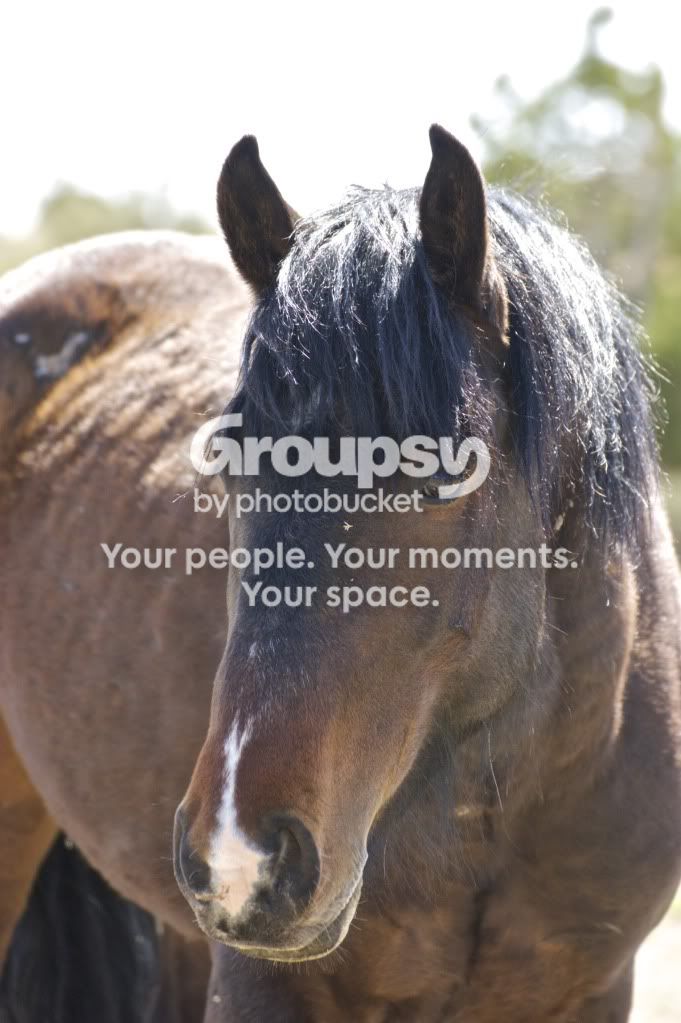
I photograph wild horses out in the Nevada desert. I do go up for dawn and dusk shots, but in order to get the most interesting shots I need to go up when the sun is highest as this is when the horses all come to the lake to take on water.

I only picked up a camera for the first time a month ago and I am really struggling with blown out, over exposed backgrounds in shots. How can I stop this from happening? I've tried angling myself in different positions with the sun, but with wild animals it's not always that easy. I do love them though, a couple have become really used to me, so when I was taking some shots of the new foals a horse crept up behind me and licked me. Definitely wasn't expecting that. :lol:

How can I stop getting over exposed backgrounds?

(will update with a picture example as soon as I can)
 
Last edited:
In direct sunlight, you pretty much can't, particularly if your subjects are back lit (have the sun behind them).

The issue is, the dynamic range of light in the scene is greater than the dynamic range the image sensor in the camera can record.

The linear camera image sensor does not see the scene the way your non-linear eyes do.

About the only thing you can do is put a neutral density (ND) filter on the lens, and a flash unit on the camera to provide fill light.
 
Thanks you both so much, that's incredibly helpful. I'm shooting with a sony A390 and will look at getting a Neutral Density filter. At the minute I'm only using a UV filter.

I've been trying to do a bit of research since you both posted, what do you think of this filter? Tiffen 77mm Color Graduated ND .6 (4x) Filter 77CGND6

For flash, I'm just using the one my camera came with at the minute and for the most part I use a 70-300 lens until I can afford something else. Would the 'better beamers' be alright with this?
 
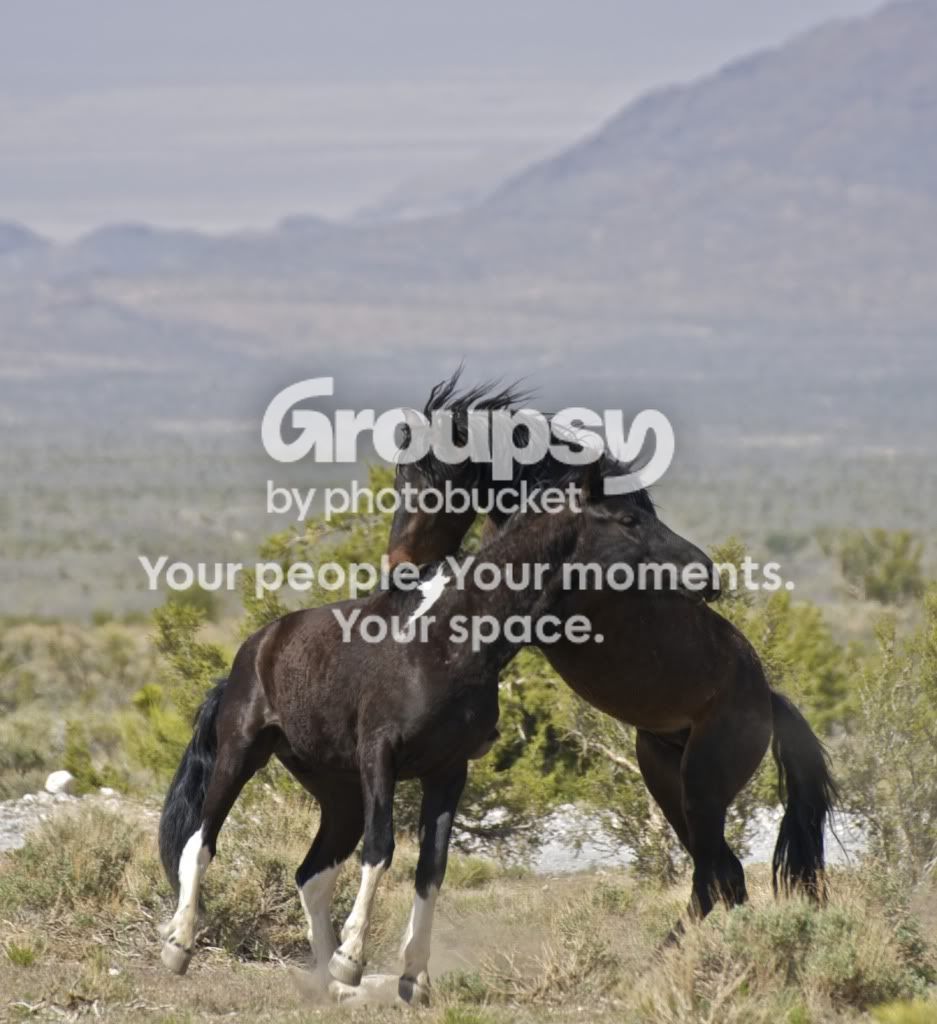
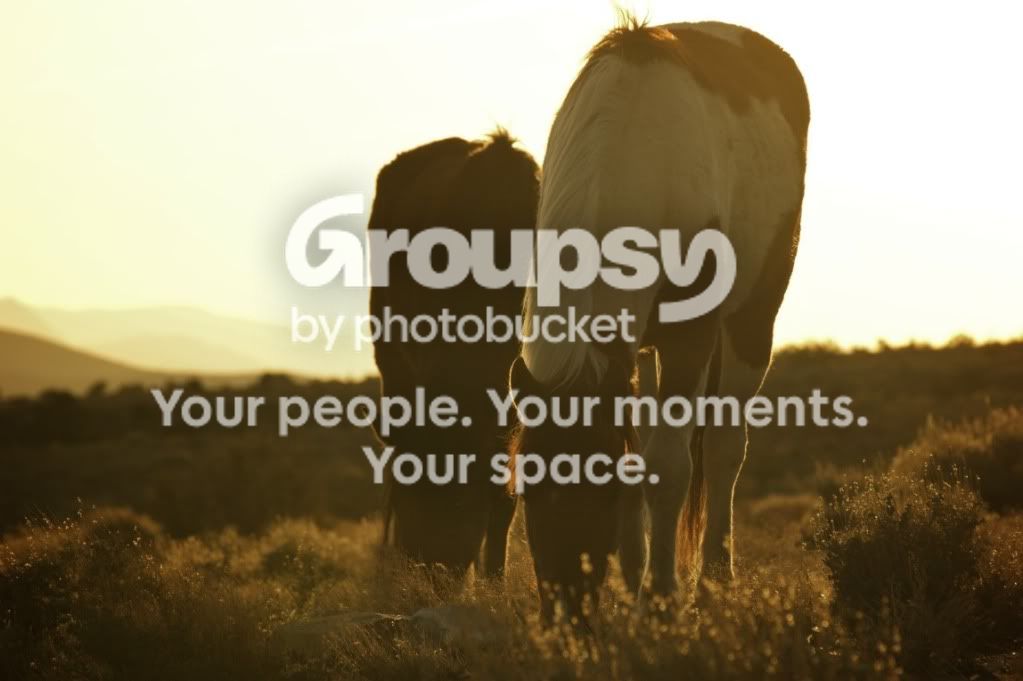
Couple examples of blown out backgrounds I'm getting:

DSC02511.jpg


DSC00677.jpg


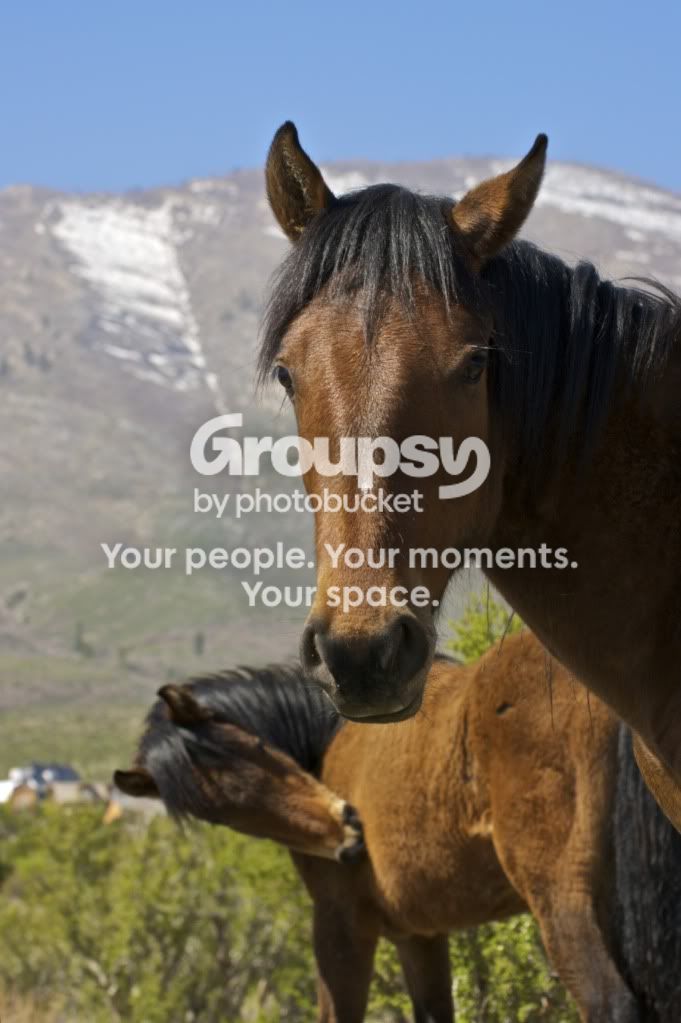
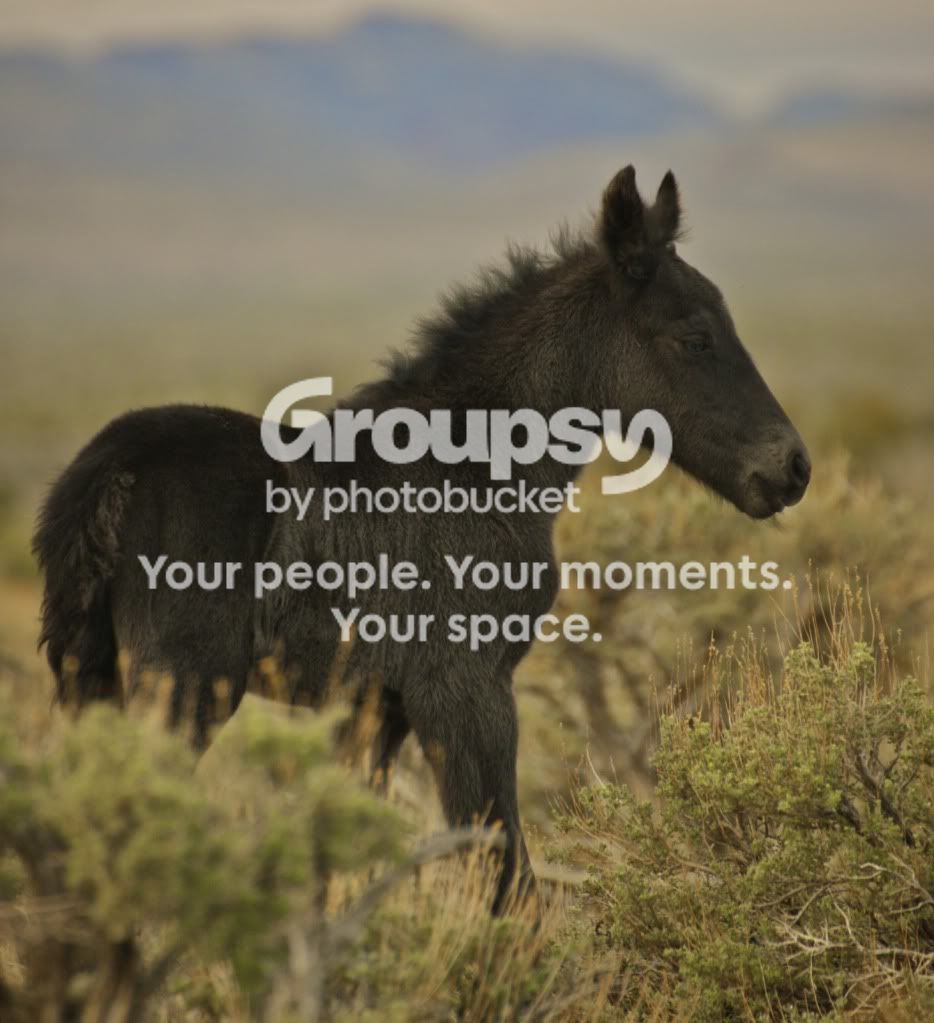
Some better light when I was able to move around the subjects

DSC023312.jpg


DSC01787.jpg
 
"Blown out"? Only the second one even comes close to being blown out (and it's not). I think maybe your monitor is way out of calibration if these look blown out to you...

Really, they all look good to me.
 
Thank you.

I didn't mean that the last two are blown out, they were examples of better light conditions to use as comparison to the first two. :)

The first one was actually meant to be this shot, apologies:

DSC02413.jpg


This one, and the second one are, in my opinion, blown out. In the second shot there is a whole mountain range behind those horses that you can't see.

The first one that I originally posted I feel is over exposed.

Or maybe I'm way off bat here? I'm only starting out so I really appreciate the advice from you guys.
 
"Blown out"? Only the second one even comes close to being blown out (and it's not). I think maybe your monitor is way out of calibration if these look blown out to you...

Really, they all look good to me.

Agreed, these shots aren't bad at all.
 
OK, the last one you just posted is blown out. The other 4, only part of the 2nd one is what I would call blown out (right side). The other 3 in that post look fine to me.
 
"Blown out"? Only the second one even comes close to being blown out (and it's not). I think maybe your monitor is way out of calibration if these look blown out to you...

Really, they all look good to me.

Agreed, these shots aren't bad at all.

OK, the last one you just posted is blown out. The other 4, only part of the 2nd one is what I would call blown out (right side). The other 3 in that post look fine to me.

Thanks, I really appreciate the comments and advice. O|||||||O I see what you mean about the right side and the difference there.

The one I just posted and the third picture were both taken on the same day within half an hour of each other. So should I get a neutral density and take it on and off depending on the subject and where they are? i.e. for the last picture I posted, ND lens on, then off for the last couple?

Someone in a camera store also recommended a polarising filter?
 
Just turned off my computer and I'm on my phone now, so I'll make this brief (I hate typing on my phone). ND alone isn't enough - you need ND in conjunction with flash. ND for the sky, flash for the horse.
 
I really like that second shot!

I'm not sure how close you can or want to get, but you'll have to be quite close to use a flash as fill with a ND filter.
I see moving around to have the sun at your back, the best option, but if it's not possible then the only thing I can really see you doing is exposing for your subject. You can also try and find a happy exposure medium and recover the shots in PP in a worst case scenario.
 
I loks like alot of times the sun is coming from the correct angle to where a circular polarizer might help. Shoot RAW and you should be able to pull some detail out from the shadows while trying to control the highlights a little bit.

But best of all you have nice contrasty scenes..... have you tried working the photos for B&Ws ?
 
Had you used strobed light (flash) for the photo in post #7, you could have gotten the sky.

The horse's face is back lit and is in a hard shadow. As I mentioned earlier the dynamic range is greater than the image sensor in your camera can record.
To get a decent exposure of the horse's shadowed face the bright background (ambient light) is necessarlly 'blown-out'.

When strobed light is used the ambient light exposure and the strobed light exposure can be controlled separately. Shutter speed controls the ambient light exposure, and lens aperture controls the strobed light exposure.

What it basically boils down to is that you will benefit if you learn more about the technical aspects of doing photography.

dg28.com - photographer education
 
To parot on what the other's had said, sometimes a background is supposed to be blown out. Sometimes it just doesn't matter. In the cases where it does, select a better background.

As far as your shots, all I see is some nice shots that need a bit of contrast.
 
A couple of things. First, your earliest posted shots are not really overexposed as much as they are representative of the kind of lighting conditions you were shooting in. Secondly, this kind of lughting DEMANDS shooting in raw capture mode, and demands careful,skilled processing of the resulting images to get the most out of the scenes. Third--this kind of lighting demands that the lens's front and especially the rear elements be immaculately clean and absolutely free of all grease, smoke, and air pollution haze and film. I am not kidding you. When shooting against the light, the lens needs to be **immaculately** clean. And along with that, a good lens hood is an absolutely essential piece of equipment. In fact, many times when shooting toward the light late in the day, having an assistant hold a card or hat or something above and off to the side of the lens front, to actually cast a shadow onto the front of the lens, can boost contrast. The shot of the horses grazing near sundown, for example...that image is suffering from lack of contrast that I think is caused by veiling glare...the lens is not shaded well enough. And, it probably does not shoot "against the light" as well as say, a more-perfect lens.

Shooting toward large, bright areas, like the sky, with mostly dark foregrounds, like in late-late afternoon or early AM conditions, is very demanding on the lens. Many multi-element zoom lenses do not shoot *against the light" as well as a few specific prime lenses do. So...you must use a lens hood. it helps to have a card or flag held up to cast a shadow. The lens has to be super-clean! And, you need to shoot raw, and keep the image contrast setting (tone curve) set to LOW, so that you can evaluate the histogram's exposure settings and get the best information. If the tone curve (image contrast) and or saturation settings are set to higher than low levels, then the in-camera JPEG will show that you're over-exposing wayyyy before you truly are, and your exposures will be sub-optimal

I think you need to use really GOOD shooting techniques, set the camera up properly, and then adjust the curves (contrast) in post processing, and you'll have great-looking pics. Looking 3,4,5 miles through the desert air, the backgrounds will look hazy, because the atmospheric haze is back-lit. I think it looks quite natural and expected,not blown-out.
 

Create an account or login to comment

You must be a member in order to leave a comment

Create account

Create an account on our community. It's easy!

Log in

Already have an account? Log in here.

New Topics

Back
Top Bottom