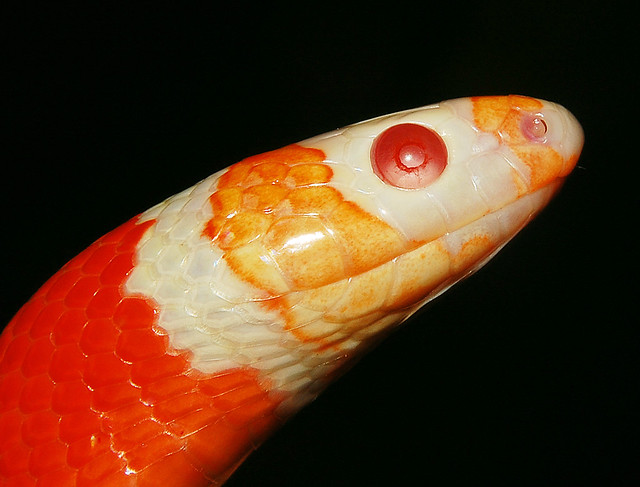
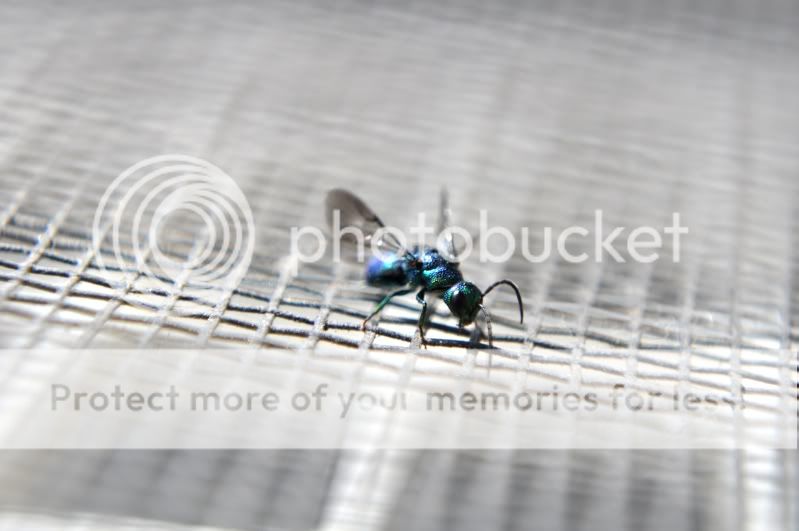
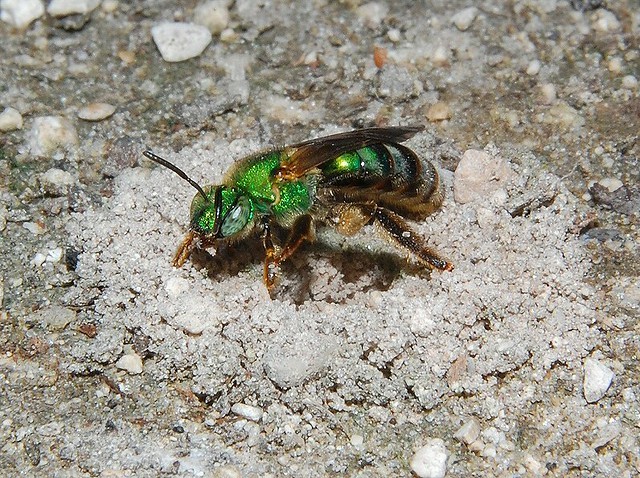
Im not sure about the exact figures, but it is true that macro lenses are only what they say when they are at 1:1.
Mark
A true macro lens is always a true macro lens - that is a lens capable of acheiving 1:1 magnification
However a macro lens only achieves macro magnification when focused to its closest possible point - it then achieves 1:1 magnification and the photos taken at that point are then considered to be true macro photos.
However remember that if you go beyond 1:1 - eg into 2 or 3:1 you are still taking macro photos. At some point things turn into micro though I've no idea where that boundary lies.
Also remember that many things like flowers, dragonflies and butterflies appear in macro sections and are considered macro shots even though many of the shots are in fact 1:2, half macro, scaled shots.
One thing I don't think gets enough credit is macro filters. I have a macro lense and I still preffer my macro filter. I have a +4 that I put on my 50mm 1.8. The filter has no focal distance but does great close up. The filter cost me $11 and I think you can get the whole kit for $15 wich has 4 filters on Amazon.
I do agree macro filters are great thing, but I far far prefer getting proper high quality diopters (incorrectly called macro filters by many). Highquality options are ones like the canon 500D and 250D as well as the raynox series of macro diopters (eg the Raynox DCR150 and DCT250)
The thing with macro filters is that you lose infinity focus. Also, the DOF is generally ridiculously thin. This was taken with a Quantaray +10 macro filter:
True you lose infinity focus, that is their main downside. However as for depth of field its not a property of the diopter, but more a property of increasing the magnification factor. Far as I know all current DSLR methods of boosting magnification lose you more depth of field the higher you go - if there are differences between diopters, extension tubes and single lens contructs (eg canon MPE65mm macro) they are so small as to have no effect when out in the field.
I recently heard/read something about that a 100mm Macro lens is actually equivalent to an 85mm when its being used at a distance, and only achieves 100mm when it is at full magnification ( 1:1 )... can anyone shed some light on that?
Maybe more like 95mm... I can tell the difference (easily) between my 100mm macro and my 85. It does zoom in/out a little as it focuses in the macro ranges though. But it's not something that you would notice at non-macro ranges.
It might not be exactly 100mm, but I think it's close enough that it doesn't really matter. The 85 probably isn't exactly 85mm either.
Pretty sure most lens focal lengths are rounded...
Far as I understand it almost all current macro lenses will reduce in focal length and aperture as they get into the 1:1 area and its part of how they achieve close focusing distances.
Note that Nikon owners tend to notice the aperture change because their camera bodies report the effective aperture setting of the lens setup - so at 1:1 they are at around f5.6. However Canon camera bodies don't report this change so at 1:1 they are at f2.8.
The reality is in both cases the lens is at the same aperture (f5.6) and the light let through is the same - the only difference is in how the lenses and camera bodies are reporting this to the user - canon sticks to the aperture blades themselves whilst nikon give you the effective new aperture of the lens.