You are using an out of date browser. It may not display this or other websites correctly.
You should upgrade or use an alternative browser.
You should upgrade or use an alternative browser.
The Coffee House
- Thread Starter snowbear
- Start date

Gary A.
Been spending a lot of time on here!
bribrius- Maybe I missed a few posts, but what I get is that you're looking to improve your photography. That is great. What helped me in my early years were teacher/mentors who took me under their wings and kicked my butt. They kick my butt hard, they taught me to recognise and accept all forms of constructive criticism and ultimately they taught me how to be self-critical. How to objectively analyze my own stuff and then kick my own butt.
That is only half. The other half to to shoot. Shoot tons of stuff. Shoot everyday, think about what you're shooting. Don't just toss the camera up to your eye and think "yeah, that looks good", click. Toss the camera up to your eye and say "Yeah, that look good ... but what can I do to make it looks better ...". Other times don't toss the camera up to your eye at all ... mentally capture the scene ... mentally take a picture. Don't mentally take a picture of what you see, take a mental picture of what you want the final image to be. Mentally see the image at 200mm, or at 20mm, at 1/30 or 1/2000. at f/2.8 or at f/16. After you have mentally composed and found the settings to capture the image ... in the best light ... then emulate your mental image onto the camera and do it for real. That is called Ansel Adams called previsualization. It is a very powerful tool. Take that mental image with you into the electronic darkroom and take what you captured and polish your captured image into your previsualized image.
The closer your SOOC captured image is to your previsualized image the better photographer you are becoming.
Gary
That is only half. The other half to to shoot. Shoot tons of stuff. Shoot everyday, think about what you're shooting. Don't just toss the camera up to your eye and think "yeah, that looks good", click. Toss the camera up to your eye and say "Yeah, that look good ... but what can I do to make it looks better ...". Other times don't toss the camera up to your eye at all ... mentally capture the scene ... mentally take a picture. Don't mentally take a picture of what you see, take a mental picture of what you want the final image to be. Mentally see the image at 200mm, or at 20mm, at 1/30 or 1/2000. at f/2.8 or at f/16. After you have mentally composed and found the settings to capture the image ... in the best light ... then emulate your mental image onto the camera and do it for real. That is called Ansel Adams called previsualization. It is a very powerful tool. Take that mental image with you into the electronic darkroom and take what you captured and polish your captured image into your previsualized image.
The closer your SOOC captured image is to your previsualized image the better photographer you are becoming.
Gary
Gary A.
Been spending a lot of time on here!
I'm packing up the car. Let's do it.Well, if not landscapes, then some closeups of the flowers when the desert blooms in the early spring.

bribrius
Been spending a lot of time on here!
- Joined
- Jan 12, 2014
- Messages
- 8,708
- Reaction score
- 1,312
- Can others edit my Photos
- Photos NOT OK to edit
- Banned
- #1,309
fruck ansel adams. If he had preconceived it so well he wouldn't have spent so much time in the dark room fixing it.bribrius- Maybe I missed a few posts, but what I get is that you're looking to improve your photography. That is great. What helped me in my early years were teacher/mentors who took me under their wings and kicked my butt. They kick my butt hard, they taught me to recognise and accept all forms of constructive criticism and ultimately they taught me how to be self-critical. How to objectively analyze my own stuff and then kick my own butt.
That is only half. The other half to to shoot. Shoot tons of stuff. Shoot everyday, think about what you're shooting. Don't just toss the camera up to your eye and think "yeah, that looks good", click. Toss the camera up to your eye and say "Yeah, that look good ... but what can I do to make it looks better ...". Other times don't toss the camera up to your eye at all ... mentally capture the scene ... mentally take a picture. Don't mentally take a picture of what you see, take a mental picture of what you want the final image to be. Mentally see the image at 200mm, or at 20mm, at 1/30 or 1/2000. at f/2.8 or at f/16. After you have mentally composed and found the settings to capture the image ... in the best light ... then emulate your mental image onto the camera and do it for real. That is called Ansel Adams called previsualization. It is a very powerful tool. Take that mental image with you into the electronic darkroom and take what you captured and polish your captured image into your previsualized image.
The closer your SOOC captured image is to your previsualized image the better photographer you are becoming.
Gary
studying right now.
"Transparent Pictures: On the Nature of Photographic Realism"

Designer
Been spending a lot of time on here!
- Joined
- Apr 13, 2012
- Messages
- 18,505
- Reaction score
- 4,853
- Location
- Iowa
- Can others edit my Photos
- Photos OK to edit
Don't wait for me, I live in Iowa and it would be difficult for me to go there now.I'm packing up the car. Let's do it.Well, if not landscapes, then some closeups of the flowers when the desert blooms in the early spring.
Designer
Been spending a lot of time on here!
- Joined
- Apr 13, 2012
- Messages
- 18,505
- Reaction score
- 4,853
- Location
- Iowa
- Can others edit my Photos
- Photos OK to edit
.. ansel adams. If he had preconceived it so well he wouldn't have spent so much time in the dark room fixing it.
Your assumption about Adams' method is ill-founded. Adams preconceived the shot as finished, but he knew it would not convey his intent simply by shooting and straight printing. In order to fully convey his intent he had to manipulate the print.
That he could preconceive something that wasn't there is a testament to his artistic vision.
Last edited:
Gary A.
Been spending a lot of time on here!
bribrius-
Film is much different than digital (duh). With film you exposed and developed with the final image in mind knowing that your exposure would take you only so far ...the development will take you further and then the printing would bring you home.
With digital, it can all be done in PhotoShop or equal ... but you still need to manipulate to a preconceived image, (if for nothing else than for your own consistency rate and later style).
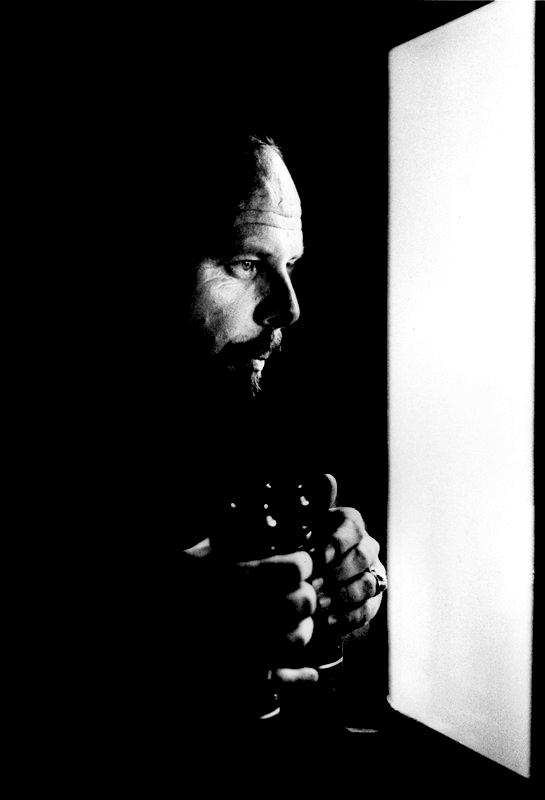
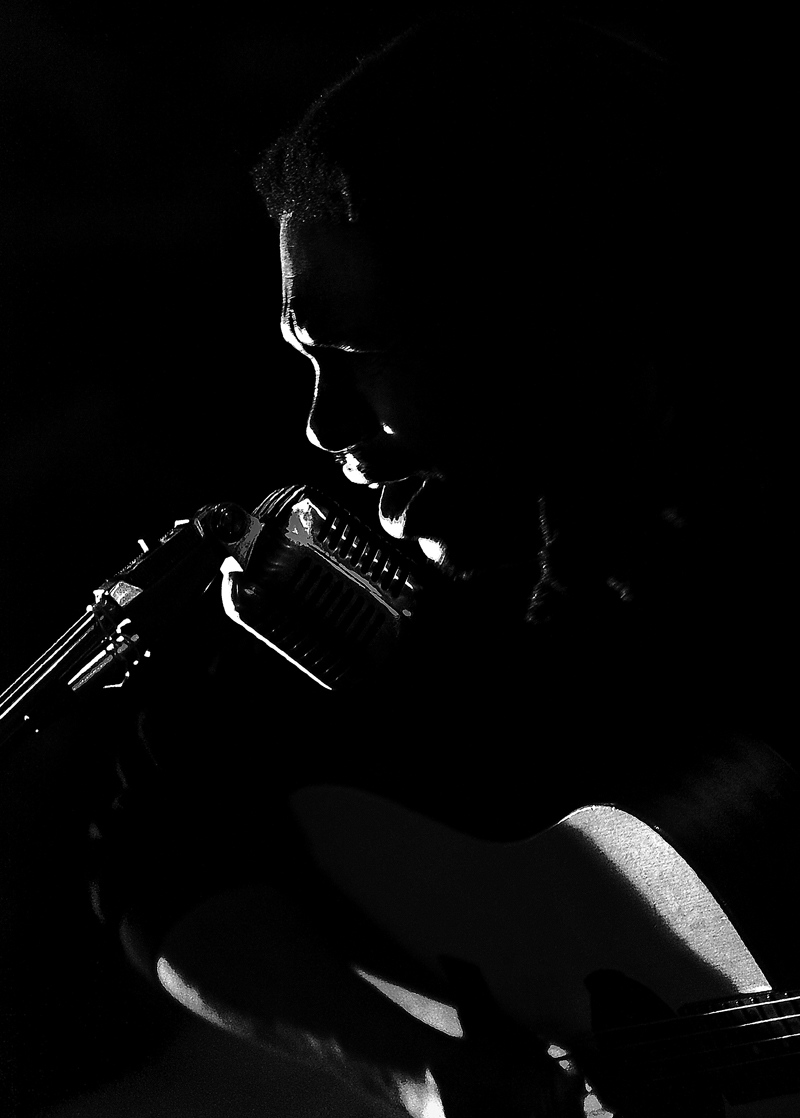
These are both pretty similar images, the top is film the bottom is digital. While the previsualization is similar the workflow was much different.
Gary
PS- Until you can at least equal someones skill and talent in the same genre you are working in (in this case photography), you probably shouldn't be bad mouthing them.
G
Film is much different than digital (duh). With film you exposed and developed with the final image in mind knowing that your exposure would take you only so far ...the development will take you further and then the printing would bring you home.
With digital, it can all be done in PhotoShop or equal ... but you still need to manipulate to a preconceived image, (if for nothing else than for your own consistency rate and later style).
These are both pretty similar images, the top is film the bottom is digital. While the previsualization is similar the workflow was much different.
Gary
PS- Until you can at least equal someones skill and talent in the same genre you are working in (in this case photography), you probably shouldn't be bad mouthing them.
G
bribrius
Been spending a lot of time on here!
- Joined
- Jan 12, 2014
- Messages
- 8,708
- Reaction score
- 1,312
- Can others edit my Photos
- Photos NOT OK to edit
- Banned
- #1,313
ansel adams. If he had preconceived it so well he wouldn't have spent so much time in the dark room fixing it.
Your assumption about Adams' method is ill-founded. Adams preconceived the shot as finished, but he knew it would not convey his intent simply by shooting and straight printing. In order to fully convey his intent he had to manipulate the print.
That he could preconceive something that wasn't there is a testament to his artistic vision.[/QUOTE]
could be a reflection of what I am reading. I just flipped from photo realism to what I just quoted above.
it seems oddly profound that from the renaissance and davinci there was a purpose of recreating the exact seen image. Once that became available through photography (which later spilled to photos becoming film, and then straight film) people again took that medium and decided to spin it back to subjective personal vision. The only medium as close to delivering reality as we had been able to achieve. so it starts going through a period of photography starting to be used for artistic interpretation. Then it gets reversed again, to the point of photo realism (copying photos using painting to establish reality in painting). Then reversed again back to visual conception and artistic intent. When the greatest achievement of photography was probably the long sought after want to deliver the closest to reality interpretation available. The artistic vision is exactly what photography in its point of fact delivery was monumental in its ability to avoid, and move the work to realism rather than subjective interpretation or just likeness. The same thing that was trying to be achieved in painting and sculpting but never quite was able to. wasn't it?
I am still reading, don't claim to know everything.
seems that once he started playing the darkroom, he crossed over to nolonger achieving realism but his personal vision. Not a bad thing, but not really along the lines of what I am reading. I read something about a half hour ago, said the doubts in photographys beginning were the conclusion that the photos could still be manipulated and not achieving reality. As in, It nolonger became the trusted method as first thought. But this would all have to do with ones perception of photography and purpose, and the photographers intent whether it be a reproduction of what is seen or a conceptualized vision of what is seen. so was his intent accurate reproduction? likeness? or his own personal vision?
If someone were to choose a medium in which to communicate personal vision why would the choose photography? The medium most known for being the most accurate depiction of unsubjective reality? This of course becomes easier now though with digital imaging and manipulation but you still wonder why they don't pick up a paint brush as a preferred method.
hey, what do I know I am just reading and learning ya know?
bribrius
Been spending a lot of time on here!
- Joined
- Jan 12, 2014
- Messages
- 8,708
- Reaction score
- 1,312
- Can others edit my Photos
- Photos NOT OK to edit
- Banned
- #1,314
good point. no doubt more reactionary as i keep reading comments on ansel adams around the web like there is a cult following and he is jesus. i try to put his work into more of a period of relevant time and influence rather than a be end all of the entire thing. i have looked through it, but then i looked through davinci too. i think i would give more credit to davinci and question if ansel adams is overrated like Tolstoy quotes.. i should still watch my mouth, undoubtedly i lack tact. And i do hold respect for adams don't get me wrong.bribrius-
Film is much different than digital (duh). With film you exposed and developed with the final image in mind knowing that your exposure would take you only so far ...the development will take you further and then the printing would bring you home.
With digital, it can all be done in PhotoShop or equal ... but you still need to manipulate to a preconceived image, (if for nothing else than for your own consistency rate and later style).
These are both pretty similar images, the top is film the bottom is digital. While the previsualization is similar the workflow was much different.
Gary
PS- Until you can at least equal someones skill and talent in the same genre you are working in (in this case photography), you probably shouldn't be bad mouthing them.
G

- Joined
- Jun 9, 2013
- Messages
- 20,814
- Reaction score
- 13,166
- Can others edit my Photos
- Photos NOT OK to edit
- Moderator 🛠️
- #1,315
This is all way too deep for me right now. I need another cup of coffee.
Seriously, I usually love this kind of discussion and I am enjoying reading, but I'm kind of out of it today. Been getting to bed too late in the past few days but still waking up at the same time, and it's starting to catch up to me. Brain isn't going too fast right now.
Seriously, I usually love this kind of discussion and I am enjoying reading, but I'm kind of out of it today. Been getting to bed too late in the past few days but still waking up at the same time, and it's starting to catch up to me. Brain isn't going too fast right now.
Gary A.
Been spending a lot of time on here!
Reading about photography and art is great and fine and wonderful and all that. Remember to put all that reading into practice and always self-critique to the point where you are your own worse critic. You need to:
1) shoot;
2) shoot again; and
3) at the end of the day when you think you're done ... shoot some more.
1) shoot;
2) shoot again; and
3) at the end of the day when you think you're done ... shoot some more.
Designer
Been spending a lot of time on here!
- Joined
- Apr 13, 2012
- Messages
- 18,505
- Reaction score
- 4,853
- Location
- Iowa
- Can others edit my Photos
- Photos OK to edit
If someone were to choose a medium in which to communicate personal vision why would the choose photography? The medium most known for being the most accurate depiction of unsubjective reality?
Some of us are into photography because we think it is fun.
You can be a realism purist if you want to, and I'm not going to be critical.
bribrius
Been spending a lot of time on here!
- Joined
- Jan 12, 2014
- Messages
- 8,708
- Reaction score
- 1,312
- Can others edit my Photos
- Photos NOT OK to edit
- Banned
- #1,318
lol. it is fun. Don't mind me, i am foundation building..Right now i should probably have a better philosophical understanding of what i am even doing so working on that..If someone were to choose a medium in which to communicate personal vision why would the choose photography? The medium most known for being the most accurate depiction of unsubjective reality?
Some of us are into photography because we think it is fun.
You can be a realism purist if you want to, and I'm not going to be critical.
really neither here nor there.
Does a purest exist? Even if shooting for realism the photo doesn't come out that way on its own, it has to be tweaked to look as real in actual depiction of what was there. I am really just reading, tis all.
Helmut Gernsheim " the camera intercepts images, the paintbrush reconstructs them"
Andre Bazin "Only a photographic image is capable of giving us the kind of image of a object that is satisfying the deep need a man has to substitute for it something more than a mere approximation, a kind of decal or transfer"
Stanley cavell "photograph is of the world while a painting is a world"
really just interesting, philosophical wise.
- Joined
- Jun 9, 2013
- Messages
- 20,814
- Reaction score
- 13,166
- Can others edit my Photos
- Photos NOT OK to edit
- Moderator 🛠️
- #1,319
Painting and photography require different skill sets (thus leading someone to choose one over the other), but the end result can be exactly the same: a visual representation of what we see. Some people will want that representation to be more faithful to what they believe to be an objective reality. Others want their representation to be more fantastical, to represent what could be rather than what is. And many are somewhere in between. Even if you're shooting/painting to express feelings, you're still representing how you see those feelings.
I believe this to be true of any art - visual art, sculpture, dance, music, writing... The artist is expressing themselves in a way that more closely represents the world as most of us know it, or that strays drastically from that world. We are all just trying to interpret the world in our own way, and some people do that through their art, whatever art they choose.
Edit: I got coffee
I believe this to be true of any art - visual art, sculpture, dance, music, writing... The artist is expressing themselves in a way that more closely represents the world as most of us know it, or that strays drastically from that world. We are all just trying to interpret the world in our own way, and some people do that through their art, whatever art they choose.
Edit: I got coffee
bribrius
Been spending a lot of time on here!
- Joined
- Jan 12, 2014
- Messages
- 8,708
- Reaction score
- 1,312
- Can others edit my Photos
- Photos NOT OK to edit
- Banned
- #1,320
welcome back. Bazin with criticism.Painting and photography require different skill sets (thus leading someone to choose one over the other), but the end result can be exactly the same: a visual representation of what we see. Some people will want that representation to be more faithful to what they believe to be an objective reality. Others want their representation to be more fantastical, to represent what could be rather than what is. And many are somewhere in between. Even if you're shooting/painting to express feelings, you're still representing how you see those feelings.
I believe this to be true of any art - visual art, sculpture, dance, music, writing... The artist is expressing themselves in a way that more closely represents the world as most of us know it, or that strays drastically from that world. We are all just trying to interpret the world in our own way, and some people do that through their art, whatever art they choose.
Edit: I got coffee
here ya go. Theory and criticism: The Ontology of the Photographic Image (André Bazin, 1945) | L'avventura di Gwen
Similar threads


- Replies
- 18
- Views
- 9K


- Replies
- 13
- Views
- 7K


![[No title]](/data/xfmg/thumbnail/31/31035-96228fec87f6f8e8b5f3db4e93e99189.jpg?1734159134)
![[No title]](/data/xfmg/thumbnail/31/31750-f3936d67895e1ef2756eb06d7b15fe9c.jpg?1734160469)
![[No title]](/data/xfmg/thumbnail/37/37607-69784b19e25bd0ba68e92ff4cfdfa8ff.jpg?1734170734)