The camera will take any ISO film. I don't know how new you are to photography in general, but if you have ever used the manual settings on a digital camera, you may be somewhat familiar with the ISO settings. The different ratings are for how sensitive the film is to light. The lower speeds (50, 100) are good for daylight. If you want to shoot in lower light conditions, go for the faster films which will have a higher number (800, 1600, and Ilford makes a 3200). 400 is somewhat flexible - fast enough for some low-light work but can still be good in daylight. Depends on the options your camera has for stopping up for more light or stopping down for less light. 200 speed film is also made and is a sort of in-between speed. Good for some general purpose work.
If you like black and white, start with some Kodak Tri-X 400. It's readily available, it's fairly flexible and tolerant of some degree of over/under exposure, and it's a good quality film. It's commonly used in Photography 101 classes. I'm not that familiar with the A-1 - it has autoexposure, correct? The thing to remember is that whatever speed film you load, be sure to set the camera for that speed so it can make the correct exposures. I've never used an A-1 so I'm not sure where that control (probably a dial) is located, but if you've got the manual, just read it carefully before you take the camera out.




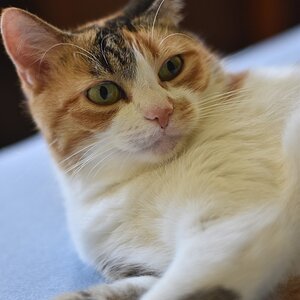
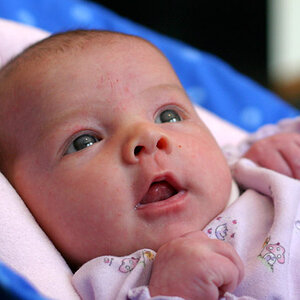
![[No title]](/data/xfmg/thumbnail/41/41900-d02b27da6248f10da25edf2413570222.jpg?1734176254)
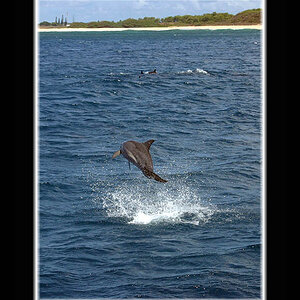
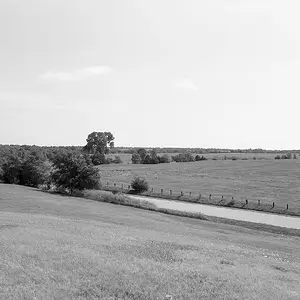
![[No title]](/data/xfmg/thumbnail/41/41899-007f14ae0d832ef200fd62eedc4da42e.jpg?1734176253)
![[No title]](/data/xfmg/thumbnail/41/41898-2c70795ddfa6b397714acc28e3e5d36f.jpg?1734176252)