Why learning good flash technique helps you become a better natural-light photographer: Using "natural light" is about finding it - the hunter-gatherer approach. If it happens just right, then you feast, photographically speaking. If it's not right, you either use less than ideal light, or you look for better light or you wait.
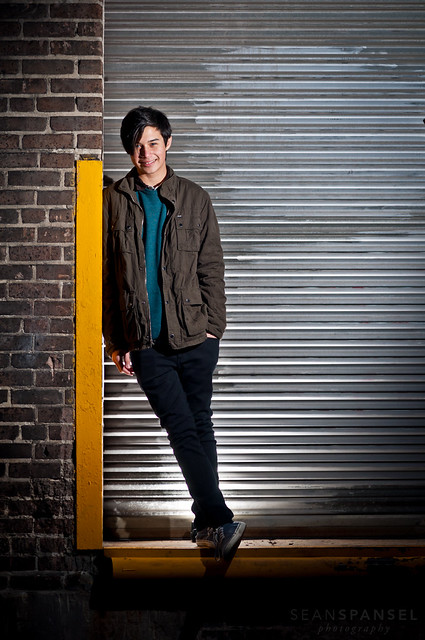
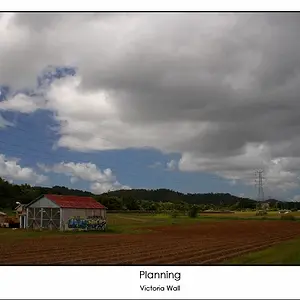
With flash, you can grow your own light. You can add just a little, to supplement the natural light you've found and gathered, or you can completely replace it, or make light where the natural light don't shine. As in the invention of farming, which make the food source more regular and more consistent, learning to use flash gives you options that you otherwise just would not have had.
But to use flash effectively, you need to understand it - how to make a harsh (small) light softer, how to direct the light only where you need it, how to use the light fall-off creatively, how to block stray light (weeds, if you will) so that they don't contaminate your image, how to balance one, two or more light sources, and so on. This knowledge is generally much more advanced than what you get when you only shoot with natural light, and it opens up possibilities with natural light that you would not have even thought about. That large expanse of blue sky - giant soft box. Noon-day sun? a hard, bright single-source. Sunlight reflecting from a wall - large reflector. Now that you understand flash, you also understand how to use the different light sources, how to recognize them, and how to use them. You understand what the shadows are telling you about the light. You understand better, why some light is not good, and some is just heavenly.
So if you want to be a superb natural light photographer, learn to use flash effectively and well. It will open up "natural light" opportunities, even if you don't use flash in an image. But chances, are, you'll now always be able to see where additional light will improve the image, whether it is done by flash, by reflectors, by diffusers, or other means.