What's new

Am I the only one????

Yea you're the only one. I use multiple flashes for everything.
 
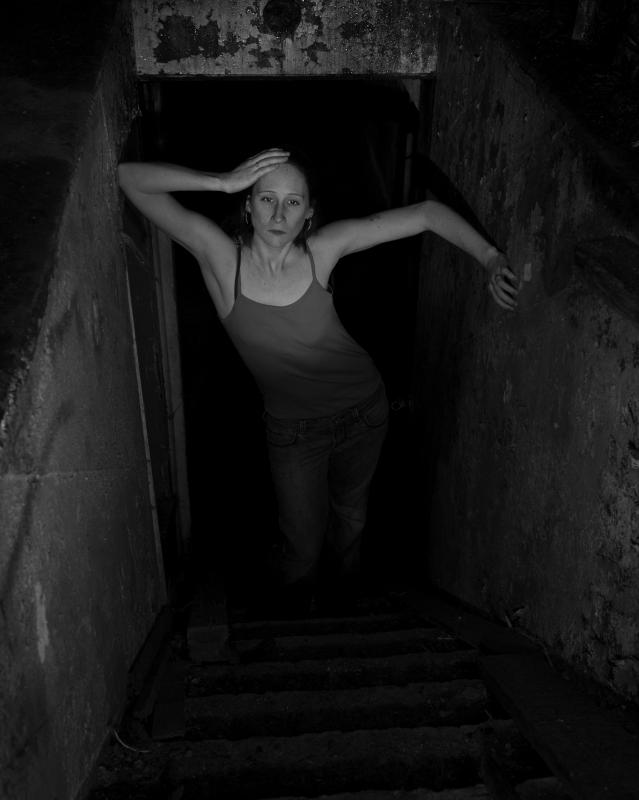
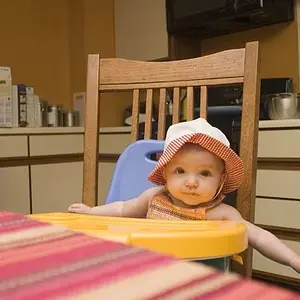
I flashed this. Does it look bad?
p1256737722-4.jpg


Wow..
 
I am exactly like you. I refuse to use flash. But I'm guessing in my case that's partially due to the fact that I haven't been exposed to anything after market and my pop up camera flash obviously just doesn't cut it.
 
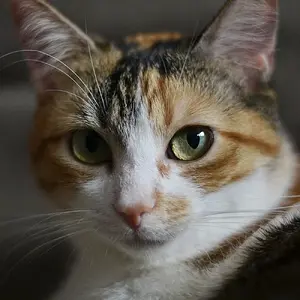
Being a photographer and not using flash is like being a carpenter and not using a hammer. This would have been a bit of a challenge without flashes...
LedaA.jpg


Think of a flash as being like make-up; lots of time, effort and practice go into using something that is supposed to look like it was never used. In other words, if you can see flash was used, it probably wasn't done correctly. Spend some time over here reading and learning; it's a whole new world!
 
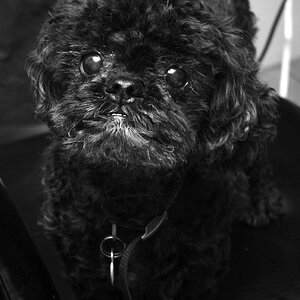
I flashed this. Does it look bad?
p1256737722-4.jpg

That's beautiful, Robin.

Anyway, yeah as others said... flash is just another tool. It's easy to hate the results before you figure out how to use them. I always did, and I pretty much never use the built-in flash because it really is hard to get good results with it. Not impossible, but challenging. Get a decent flash you can control, diffuse, bounce off other surfaces, etc. and you'll be good.

Warning, though... camera lighting is a big pandora's box... if you think photography is complicated, just wait until you stick a flash into the mix... or multiple flashes, for that matter. hooo boy.
 
Only using available light (all light is natural light) is very limiting and in many situations makes making a high quality image impossible.
Another good source for both in and off camera flash is - http://neilvn.com/tangents/flash-photography-techniques/

Carpenters and other construction trades use an wide assortment of hammers. A framing hammer doesn't work very well for making cabinets.

Direction & Quality of Light: Your Key to Better Portrait Photography Anywhere
On-Camera Flash Techniques for Digital Wedding and Portrait Photography
Off-Camera Flash Techniques for Digital Photographers
Light Science and Magic: An Introduction to Photographic Lighting
Master Lighting Guide for Portrait Photographers

Notice none of these say natural light in their titles, and they all pretty much still cover the basics of photographic lighting

Available Light: Photographic Techniques for Using Existing Light Sources
Doug Box's Available Light Photography: Techniques for Digital Photographers
Chasing the Light: Improving Your Photography with Available Light (Voices That Matter)
Digital Photography in Available Light: Essential Skills (Focal Press Essential Skills Photography)
 
Last edited:
It's witchcraft, you need to summon a spirit to properly use a flash.

Chant "TTL, TLL" over and over.

Ive been wanting to summon the spirit of TTL for ages now, unfortuantly that kind of sorcery is blasphemous to my wife, who is a firm follower of the redecorating-the-livingroom genie, with slight interfaith leanings to the god of I-need-a-new-car. Cults I tell you. Meanwhile I have to use my histogram to meter my strobes like a damn savage.

 
I am in LOVE with natural light as well, would love to learn to flash without it looking like I did! ;)
 
It's witchcraft, you need to summon a spirit to properly use a flash.

Chant "TTL, TLL" over and over.

Ive been wanting to summon the spirit of TTL for ages now, unfortuantly that kind of sorcery is blasphemous to my wife, who is a firm follower of the redecorating-the-livingroom genie, with slight interfaith leanings to the god of I-need-a-new-car. Cults I tell you. Meanwhile I have to use my histogram to meter my strobes like a damn savage.

TTL is great for fillflash and ok for single flash dominant situations - but if you've got more than one flash or are using more creative angles you'll get better results most times using the flash in manual mode with a known power output - and then balancing the flash power /distance based upon your meter readings.

If you want to leave the savage stages you don't need TTL you need a flashmeter
 
Here's a way to thinking about learning to use flash.

When one starts with a DSLR and really wants to use it properly, not just in a disposable snapshot way what do you do? You learn aperture, ISO and shutter speed. You learn how to control the cameras core 3 settings so that you can vary them and use them creatively. Once you do the options open up and allow you to control the shoot not the camera and it allows your personal vision and concept to be imposed on the photo.

Flash is the same, its just the next stage on. If you want that freedom, if you want to use the DSLR to its full potential you have to learn how to control the light and manipulate the light.

Also remember, once you've learned how to use flash lighting both on and off-camera and can use it to a good competent level then you are empowered to make the actual choice on how you light your photos. You can be a natural light photographer then by choice not be forfeit of not knowing any better .
 
Light is light.

It's how you use it.

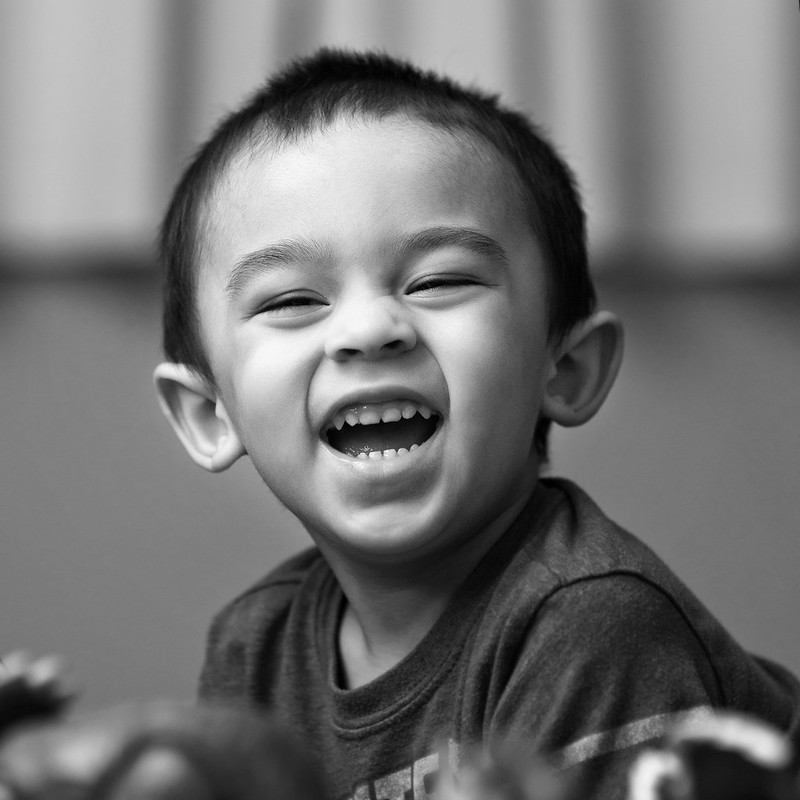
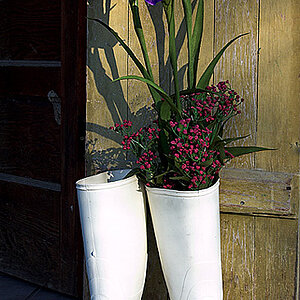
My sons opinion on the subject!

8240049235_b8df00d786_c.jpg
 
I actually think learning flash helped me with learning available light better....if that's possible.
 
I actually think learning flash helped me with learning available light better....if that's possible.

Very much so. Many "natural light" photographers just use the ambient light, never thinking on how it can be improved with reflectors, flags or diffusers. But flash makes you think about those things.. as well as light source position, and intensity. So you can learn a lot more about light that way.
 
I felt that way until I bought a Speedlite. I only sort of know how to use it and I find myself using it a lot these days.


Sent from my iPhone 5 using Tapatalk
 

Create an account or login to comment

You must be a member in order to leave a comment

Create account

Create an account on our community. It's easy!

Log in

Already have an account? Log in here.

Back
Top Bottom