What's new

Am I the only one????

Why learning good flash technique helps you become a better natural-light photographer: Using "natural light" is about finding it - the hunter-gatherer approach. If it happens just right, then you feast, photographically speaking. If it's not right, you either use less than ideal light, or you look for better light or you wait.

With flash, you can grow your own light. You can add just a little, to supplement the natural light you've found and gathered, or you can completely replace it, or make light where the natural light don't shine. As in the invention of farming, which make the food source more regular and more consistent, learning to use flash gives you options that you otherwise just would not have had.

But to use flash effectively, you need to understand it - how to make a harsh (small) light softer, how to direct the light only where you need it, how to use the light fall-off creatively, how to block stray light (weeds, if you will) so that they don't contaminate your image, how to balance one, two or more light sources, and so on. This knowledge is generally much more advanced than what you get when you only shoot with natural light, and it opens up possibilities with natural light that you would not have even thought about. That large expanse of blue sky - giant soft box. Noon-day sun? a hard, bright single-source. Sunlight reflecting from a wall - large reflector. Now that you understand flash, you also understand how to use the different light sources, how to recognize them, and how to use them. You understand what the shadows are telling you about the light. You understand better, why some light is not good, and some is just heavenly.

So if you want to be a superb natural light photographer, learn to use flash effectively and well. It will open up "natural light" opportunities, even if you don't use flash in an image. But chances, are, you'll now always be able to see where additional light will improve the image, whether it is done by flash, by reflectors, by diffusers, or other means.

I love this.
 
Hmmm...

Well I personally don't use flash very much, but then I'm not a pro and I can wait for the light if it need to....

But even when the light is good, you still lack the level of control you have with flash..

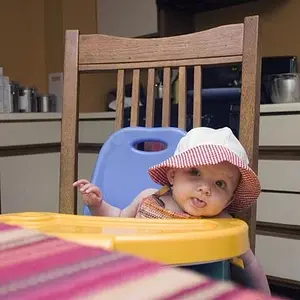
[luckily, I have this in my sent items in hotmail from Saturday when I took it -- at work atm and don't have my image library to hand... but for a quick example it will do...]

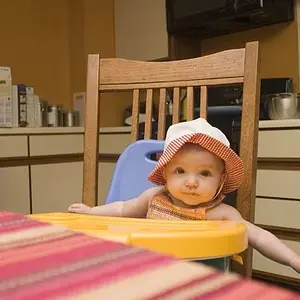
ok, two windows, one prividing key light, one providing fill, no nasty "natural light pro" shadows, great, BUT the stronger light as from the high left and he's leaning an awkward way to my cunningly found light - it's not ruined (imo), but there's not a lot I can do to move this light around. Trying to explain which way to lean to a 7 month old is quite hard :-P , and rolling him over might have resulted in a better lit, but less happy photo! :lol: There's better ones in the set where he was up stright and looking right at the camera, so the light worked really well, but you get my point...

8506106405_c16601dc96_z.jpg


And if it had been dark? Well persoanlly I just would have waited till the next day! :lol: This was just shot as favour to a friend of my wife, and of course she loves it, so all good, but if you're a professional you really need to learn to use flash as you don't have the luxry of just not bothering to take a photo when natural light isn't giving you want you want.

Using a flash (well) is a lot more effort than learning to see and use good natural light (although a lot of people seem to make that look quite hard). You can learn to see natural light even without a camera in your hand - I find myself studying how light falls on people faces as I talk to them all the time. Learning flash actually takes practice, not just looking.


So while I do prefer to use natural light myself most fo the time.... I really couldn't agree that flash looks bad; when it's done well, like in Robins example, you can't even tell it's been used.

I would agree than when it's obvious that it has been used it's generally because it looks REALLY bad. Maybe this is what you're seeing? :)
 
Last edited:
I guess my point is that when you learn to use flash, especially off-camera, you start learning about mechanics of light: relationships between light, size, distance; multiple sources; balance of light;, adding, modifying and removing light; use of reflectors, flags, doors, etc. And this awareness of the light carries over into seeing the light from natural sources. In my own case, I've shot film and slides for 40+ years, but only when I started playing with off-camera flash with my digital equipment, did a lot of the concepts of light use start to gell for me and start to make sense. The use of flash also opened up shooting opportunities that I would have just passed up earlier. Keith recommended the book "Light: Science and Magic" some time back, and it has taught me a lot. Mind you, I never took photography courses and much of my learning was self-taught, with the result that I was pretty good in some areas and totally ignorant in others, and it showed in the images that I took. Working with flash made me much more aware of the quality, type, and balance of light, and this has also helped my non-flash photography.
 
^^^ that makes a lot of sense to me. Looking back, I didn't really start to think about or understand any kind of light to nearly the same extent (beyond 'harsh shadows under eyebrows are bad') until I bought studio lighting. I will happily admit I never got very good at it, but at least it did open my eyes to thinking about light, it's quailities (hard, soft etc), the way it falls, and why that is so important.
 
Last edited:
It's also worth noting that while you can modify natural light a lot, one thing you cannot change is the direction of the sun. Yes you can rotate your subject, but you can't always rotate what's around them. Indoors this is less of an issue, and in the example I posted I could probably use a reflector as a background if there happened to be a doorway or something I didn't want there, but with natural light outdoors you can change your key light direction, or your background, but not both independantly and you just have to look for a spot where both are right (i'm including using shade in that).

Having said all that I still prefer natural light. Why? Because I enjoy the process of finding the spots where light and background meet the way I want a LOT more than I enjoy the process of fighting with softboxes, tripping over light-stands and getting asked if I have a permission to be photographing here.
(subtly glossing over the fact that I just don't have the time or energy to get as good at it as I'd like. oops, don't read this bit!)
 
Last edited:
I now like speed lights so much I used two and one ring flash for this one. Noting wrong with natural light at all but if its not available .... create your own light.


IMG] Angelina by EricJimenezPhoto, on Flickr[/IMG]
 
Both of these were shot with a cheap $60 flash the first day I had it. Shot both of these on a sunny day with a house and awning. bright background, nearly dark subject. Without the flash I could not have picked up these photographs. It's great to avoid using a flash whenever you can, but there are times even in the daylight to use a flash to remove unwanted shadow. Not every image should be washed in shadows and darkness.

dasjon_jpg_90_zps4b448c66.jpg


dasjon_jpg_89_zpsf711b638.jpg


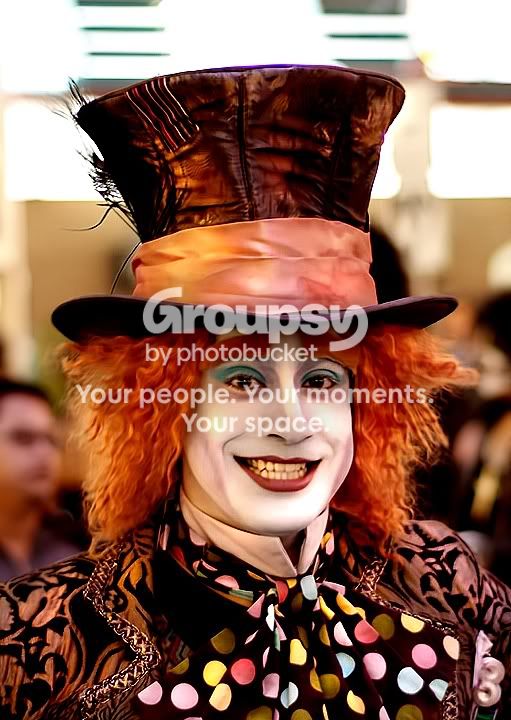
These two images were shot at night in downtown Las Vegas on the Fremont Street Experience... no flash.

mad_hater_003.jpg


action_099.jpg
 

Create an account or login to comment

You must be a member in order to leave a comment

Create account

Create an account on our community. It's easy!

Log in

Already have an account? Log in here.

Back
Top Bottom