What's new

I Suck -- This Time with Proof!

Full disclosure, I was a little drunk last night so I might not have been as clear as I wanted to be.

Anyways so looking at the photos I can see I know that the only shot I would have cared about getting would have been a group shot with everyone holding a bag or around a table.

Which I didn't do


Sent from my iPhone using Tapatalk
 
As someone who has shot a LOT of events in the last year, I'm going to say, "Tough! VERY tough! It looks like you got pretty much the worst of all possible worlds there. A few thoughts: Custom WB is your friend. Situations like this are where a tool such as an Expo Disc really shines. Don't be afraid to call to people to attract their attention. Don't try and make fine-art shots; the couple of detail images are fine, but that's not what people want.

Did you sit down with the event organizer(s) and discuss the timeline? This, IMO, is the most critical aspect of event work. I've come close to cancelling on two different events because the organizers didn't want to tell me anything more than, "Just take pictures." No... no, that's not the way it works. We sit down, we discuss what's supposed to happen when (it never follows the schedule, but at least you have a starting point).

Individuals and groups are generally the images that are the most popular. For instance, just looking at these, my main goal would have been to capture each table in ones-twos.

All that said, if event work isn't your cup of tea, why do it? It's like anything else, what's the point of doing something like this if you're not going to enjoy it?
 
As someone who has shot a LOT of events in the last year, I'm going to say, "Tough! VERY tough! It looks like you got pretty much the worst of all possible worlds there. A few thoughts: Custom WB is your friend. Situations like this are where a tool such as an Expo Disc really shines. Don't be afraid to call to people to attract their attention. Don't try and make fine-art shots; the couple of detail images are fine, but that's not what people want.

Did you sit down with the event organizer(s) and discuss the timeline? This, IMO, is the most critical aspect of event work. I've come close to cancelling on two different events because the organizers didn't want to tell me anything more than, "Just take pictures." No... no, that's not the way it works. We sit down, we discuss what's supposed to happen when (it never follows the schedule, but at least you have a starting point).

Individuals and groups are generally the images that are the most popular. For instance, just looking at these, my main goal would have been to capture each table in ones-twos.

All that said, if event work isn't your cup of tea, why do it? It's like anything else, what's the point of doing something like this if you're not going to enjoy it?

It was a "shoot whatever" style event. And as you say, it was rough. Bad lighting, low ceilings, etc.

Jake


Sent from my iPhone using Tapatalk
 
...It was a "shoot whatever" style event. And as you say, it was rough. Bad lighting, low ceilings, etc...
My point exactly - there's no such thing. You need to be able to sit down with the organizers and find out what it is that they really want. "What is the purpose of the event?", "What is the timeline for this event?" "[Assuming this is not the first one] Can I see images from previous years? What do you like about them, and is there anything you feel is missing?" "What do you see the images being used for?"

It can be really tough, and you often have to work at it, because many times the client doesn't really know what they want to begin with; part of your job as the professional is to help them find that out.
 
...It was a "shoot whatever" style event. And as you say, it was rough. Bad lighting, low ceilings, etc...
My point exactly - there's no such thing. You need to be able to sit down with the organizers and find out what it is that they really want. "What is the purpose of the event?", "What is the timeline for this event?" "[Assuming this is not the first one] Can I see images from previous years? What do you like about them, and is there anything you feel is missing?" "What do you see the images being used for?"

It can be really tough, and you often have to work at it, because many times the client doesn't really know what they want to begin with; part of your job as the professional is to help them find that out.

Really good advice. I still have a lot to learn, that's for sure.


Sent from my iPhone using Tapatalk
 
It would probably be hard to get anything great at this type venue, but to do events it takes learning how to work with whatever exists. I wouldn't expect to get a lot of great shots here but at least get something I need of what's significant.

I've done sports and events and it took - A LOT OF PRACTICE. Even with events I've found it's the timing as much as anything. And it's usually working in low or uneven weirdo lighting (indoors anyway).

I've done a variety of events, took pictures for a local team for marketing a few years ago. I usually go early and check out the place, wander around and start figuring out some possible vantage points. Even though apparently our eyes may see light differently than a camera will record it, I still look around and see where the lighting looks the best in the room and try not to be in or facing into dark corners/areas.

Besides the funky color, these shots look like you need to improve framing and vantage point. I'm not sure what I'm supposed to be looking at; to me they seem either in too close with not much in focus or there's too much going on.

Lines in the background such as panelled walls need to be straight. So does signage if they might want sponsors' names or a picture of a sign about the event, make sure they're straight and not cut off mid-letter.

In the one horizontal shot there's a round table to the left that could have been a possibility (maybe, there's a big bag sitting there) to maybe get the table decorations. The long table to the right could have made for a photo. The people at the back, well, we don't want to just see their backs, get it from the side - that's where you go early and see where things are set up to figure out where you could get some photos. I find it can take a good bit of watching and waiting, watch as people move in and out of the viewfinder til you get a good potential photo, watch til they turn to go, or speak to the person next to them etc. so you at least get profiles.

I'd go find some event(s) where attendees are permitted to bring cameras to go get some practice. I wouldn't plan to use the photos other than as practice, just go enjoy the event and roam around and do some people watching thru your viewfinder. Think about what at the event you'd photograph if you were working the event, where would be a good place to get some shots, etc.

I think if you develop skills at shooting events you'll develop confidence as you go because you'll probably start feeling like you know what you're doing. I could go shoot an event because I've done it a zillion times, it's second nature and almost automatic to know what to do.

Once you do the upcoming event you'd probably benefit from continuing to develop skills, figuring out what works for you, and getting in a lot of practice before taking on any more paid event work so you're able to be successful with it.


Framing. Timing. Vantage point. Practice, practice, practice.

 
And I agree with John, they know what they want, but they don't know what they want! lol My experience was more related to sports, it's more like you have seconds to ask a question and get an answer (no sitting down and planning anything, game nights everyone's on the move). All I knew sometimes was to be at the tunnel near the refs' locker room pregame; I had to be observant and pay attention to what was happening, where they were rolling out the carpet, and be ready to get in place and get the shots in as long as it takes to drop a ceremonial puck or hand someone a big fake cardboard check.

Go do some people watching and just do some looking thru your viewfinder. I think it takes becoming observant. Obviously a landscape isn't going to get up and walk away but depending on the event things can be constantly in motion.
 
It would probably be hard to get anything great at this type venue, but to do events it takes learning how to work with whatever exists. I wouldn't expect to get a lot of great shots here but at least get something I need of what's significant.

I've done sports and events and it took - A LOT OF PRACTICE. Even with events I've found it's the timing as much as anything. And it's usually working in low or uneven weirdo lighting (indoors anyway).

I've done a variety of events, took pictures for a local team for marketing a few years ago. I usually go early and check out the place, wander around and start figuring out some possible vantage points. Even though apparently our eyes may see light differently than a camera will record it, I still look around and see where the lighting looks the best in the room and try not to be in or facing into dark corners/areas.

Besides the funky color, these shots look like you need to improve framing and vantage point. I'm not sure what I'm supposed to be looking at; to me they seem either in too close with not much in focus or there's too much going on.

Lines in the background such as panelled walls need to be straight. So does signage if they might want sponsors' names or a picture of a sign about the event, make sure they're straight and not cut off mid-letter.

In the one horizontal shot there's a round table to the left that could have been a possibility (maybe, there's a big bag sitting there) to maybe get the table decorations. The long table to the right could have made for a photo. The people at the back, well, we don't want to just see their backs, get it from the side - that's where you go early and see where things are set up to figure out where you could get some photos. I find it can take a good bit of watching and waiting, watch as people move in and out of the viewfinder til you get a good potential photo, watch til they turn to go, or speak to the person next to them etc. so you at least get profiles.

I'd go find some event(s) where attendees are permitted to bring cameras to go get some practice. I wouldn't plan to use the photos other than as practice, just go enjoy the event and roam around and do some people watching thru your viewfinder. Think about what at the event you'd photograph if you were working the event, where would be a good place to get some shots, etc.

I think if you develop skills at shooting events you'll develop confidence as you go because you'll probably start feeling like you know what you're doing. I could go shoot an event because I've done it a zillion times, it's second nature and almost automatic to know what to do.

Once you do the upcoming event you'd probably benefit from continuing to develop skills, figuring out what works for you, and getting in a lot of practice before taking on any more paid event work so you're able to be successful with it.


Framing. Timing. Vantage point. Practice, practice, practice.

Thanks for the detailed response. I think framing is definitely a weak point--the idea of going to other events to practice is great. I'll keep that in mind.

Jake


Sent from my iPhone using Tapatalk
 
Bad lighting? You need to MAKE your own lighting at this type of location, or learn how to shoot weak flash fill to elevate the shadows a bit to kill noise in what would otherwise be badly underexposed, shadowy areas. It's an older shooting method, but hand-holding a POWERFUL flash unit in the left hand, and aiming it up and bouncing it off of a wall or ceiling to created some light that allows for some depth of field is one way to shoot this kind of room.A same-era, but easier method is to use a powerful handle-mount flash unit with its own diffuser/bare-bulb/bounce card system on a simple under-camera bracket (meaning the "stock" bracket that is sold with thew flash), or an auxillary, aftermarket bracket. This type of building is one I have shot in before; the issue is that the ceiling beams make the normal, regular, broad-area ceiling bounce lighting techniques very difficult to well night impossible, depending on how high the ceiling is! Using a diffusing head or bare-tube head, you really do not need the elevation of a high bracket. Basically, you are pushing out a big wall of fairly soft, diffused light that gives f/11 depth of field, or with the bare tube head, gives f/11 at half power with crisper light that will look a lot like "room light" to most people.

On lower ceilings like this one, the beams interrupt the spread of any ceiling-bounced flash, so what you need is a a POWERFUL flash unit, like a Metz 45- or 60- series handle mount and a bare-tube or diffusing type head, or some other form of wide-angle diffusing head that creates a big, broad wash of light that allows you to use a 24 or better yet, a 28mm lens length, or longer like a 35mm lens, with even lighting. This is coming from a professional event photo background where you're hired to shoot events that have a lot of people in low-ceilinged rooms with exposed ceiling beams at fraternity houses rec rooms/basements/banquet rooms. You need a good flash rig that has been designed with this type of room specifically in mind! Exposed beam ceilings cannot be shot the same way as open, sheet-rock ceilinged rooms are! The power of a good, handle-mount flash compensates for the guide number lost due to a diffusing head or bare-bulb type head on the flash.

Another thing a handle-mount flash does is screams, "Hired professional photographer." They command respect much more so than regular gear; they are these days, a specialist's tool. If you've ever shot with a large, handle-mount flash and a big camera (I have), you will realize what I mean. It's an unusual thing, equipment that regular people recognize as being "special"...it's not like you are some guest snapping iPhone snaps. A big handle-mount flash rig buys you instant, unspoken respect and cooperation. It says that you BELONG at the event, and have, obviously, been HIRED to shoot the event. Without the need to say a single word.
 
Last edited:
...another thing a handle-mount flash does is screams, "Hired professional photographer." They command respect much more so than regular gear; they are these days, a specialist's tool. If you've ever shot with a large, handle-mount flash and a big camera (I have), you will realize what I mean. It's an unusual thing, equipment that regular people recognize as being "special"...it's not like you are some guest snapping iPhone snaps.
It sounds silly, but is oh, so true! When I'm using a flash-bracket, or one of my big Sunpak 'potato-mashers', it really does attract attention!
 
...another thing a handle-mount flash does is screams, "Hired professional photographer." They command respect much more so than regular gear; they are these days, a specialist's tool. If you've ever shot with a large, handle-mount flash and a big camera (I have), you will realize what I mean. It's an unusual thing, equipment that regular people recognize as being "special"...it's not like you are some guest snapping iPhone snaps.
It sounds silly, but is oh, so true! When I'm using a flash-bracket, or one of my big Sunpak 'potato-mashers', it really does attract attention!

I know. I mentioned this because the OP mentioned some self-confidence issues, and his quiet, reserved nature in his other concurrent thread, and I just wanted to make him aware that there *is* a way to command more respect, and to gain almost instant "cred", without saying a single word. Handle mount flashes command about as much respect from civilians as does a 300/2.8 lens. It's a weird thing, and I'm pretty sure that he's not familiar with how the handle-mount or big-flash-on-a-Stroboframe-bracket "thang" actually works. If there's an issue with confidence or a shying away from commanding/ordering around others at an event, I think this is a solution that, in my own experience, I have found helps you just walk into an event and "own the place". Instantly.
 
...another thing a handle-mount flash does is screams, "Hired professional photographer." They command respect much more so than regular gear; they are these days, a specialist's tool. If you've ever shot with a large, handle-mount flash and a big camera (I have), you will realize what I mean. It's an unusual thing, equipment that regular people recognize as being "special"...it's not like you are some guest snapping iPhone snaps.
It sounds silly, but is oh, so true! When I'm using a flash-bracket, or one of my big Sunpak 'potato-mashers', it really does attract attention!

I know. I mentioned this because the OP mentioned some self-confidence issues, and his quiet, reserved nature in his other concurrent thread, and I just wanted to make him aware that there *is* a way to command more respect, and to gain almost instant "cred", without saying a single word. Handle mount flashes command about as much respect from civilians as does a 300/2.8 lens. It's a weird thing, and I'm pretty sure that he's not familiar with how the handle-mount or big-flash-on-a-Stroboframe-bracket "thang" actually works. If there's an issue with confidence or a shying away from commanding/ordering around others at an event, I think this is a solution that, in my own experience, I have found helps you just walk into an event and "own the place". Instantly.

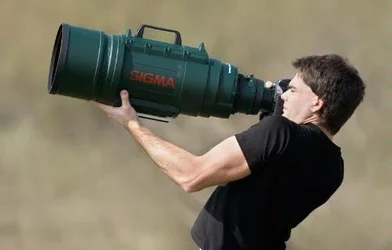
I just walk in with this and say "what? What?!"

$Sigma-Ultra-Telephoto-Lens.webp
 
You are giving them back exactly what they would get with their crappy camera phones - bad color, poor too-loose framing and no editing to speak of.
Make your pictures look like they came from a decent camera.
Crop in to get the detail and expression, fix the color so it doesn't look just bad.

Holy crap, don't start trying 'effects' like any novice.
Make them look good.
Get people with expressions.
If the faces are dead, move away and get back.
Make your pictures as good as you can get first.

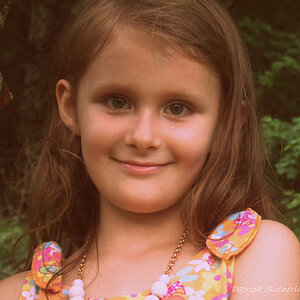
OS4sQZ.jpg
 
Would an iPhone have made a better photo than the above image?
 

Create an account or login to comment

You must be a member in order to leave a comment

Create account

Create an account on our community. It's easy!

Log in

Already have an account? Log in here.

Back
Top Bottom