What's new

I would greatly appreciate any cc you are willing to give

photomama3

TPF Noob!
Joined
Apr 16, 2011
Messages
53
Reaction score
0
Can others edit my Photos
Photos NOT OK to edit
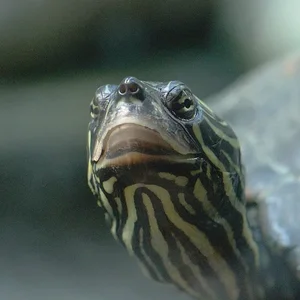
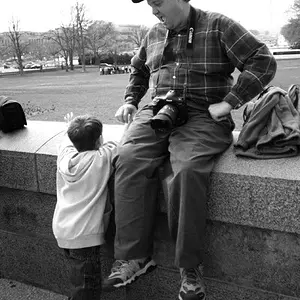
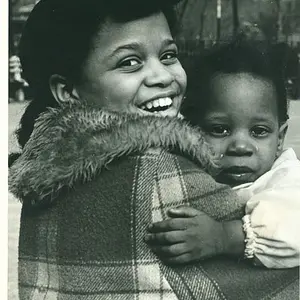
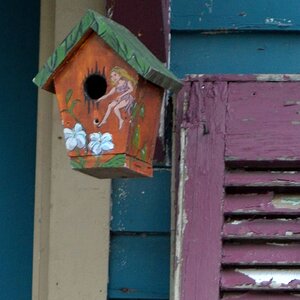
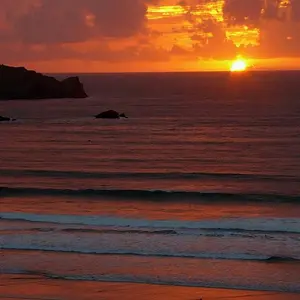
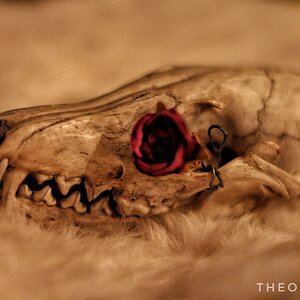
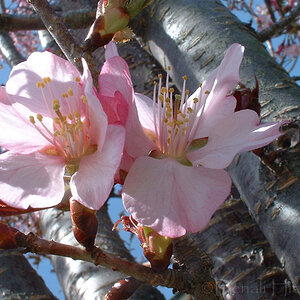
I shot these with a Nikon D5000, a 35mm - fairly medium aperture. I would greatly appreciate any cc you all are willing to give.

Thank you so much!

http://www.flickr.com/photos/61734930@N08/

photostream


photostream


photostream
 
No images; I believe you need to make five posts before the Forum will allow you to post pictures.
 
If you are referring to the pictures in the flickr photostream...I like them. Love the brightness and vibrant colors...were these post processed at all in any way? What kind of lighting used?
 
Atuspids, I shot them raw. So, I did mess with the sliders a tad. For lighting: I just used a large room next to my slider. Some were shot in A mode and others were shot in manual. For this 'shoot' however, i was more pleased with the pictures shot in 'ap priority' mode. I am really trying to nail down exposure, because I realize when we control the camera, the pictures are exposed so much more nicely and needs little editing...that is if we control it correctly...which I am learning to do, not completely comfortable though...
I really appreciate the nice comments, but please feel free to rip them apart. :)
 
Last edited:
So you didn't have to do much post processing in photoshop, lightroom, or anything like that? These are straight out of camera with just adjustment to exposure sliders?
 
Yes Atuspids. I am not too proficient at photoshop yet, so I don't want to mess around too much. I really want to do as little editing as I can in the image editor...unless I am trying to achieve a special effect or something else specific. Does that make sense?? I ask because, I know editing is a HUGE part of photography, but I really like a natural image - and not all the artsy stuff always added - for some, sure...but not every photo. I like to see a nice clear color image. But, I am sure once I really have a grasp on getting a proper exposure, I will feel differently.;)
 
Editing isn't always a large part of photography. It depends on the photographer really.
While most photographers do use Lightroom, PS, etc, for post-productions, some prefer shooting raw. I personally enjoy raw more than post-processed, because I can do virtually anything in Photoshop.
I can make any picture I want look somewhat aesthetically appealing, which would just kind of be cheating =p

Although most professional photographers tend to post-process their pictures, those are a more professional level, and they need to be top quality for their customers.


Although I'm a newbie,
don't listen to me =p

Ummm, not really sure what you're trying to say here. The reason we shoot in RAW is because of the latitude it gives us in post. Not having been processed into a JPEG, we can make necessary changes in WB, exposure, contrast, sharpening, etc., before we process it into a JPEG or TIFF. With RAW, we have all of the data available and we can edit in 16 bit as well.

The reason for post processing comes down to dynamic range. Digital cameras have gotten better in terms of dynamic range, but still come short of print film, and well below that of transparency film. PPing is used to pull out the dynamic range that the camera failed to capture. Most of what you do to a digital photo is exactly the same that a color lab does to your print film. Mostly people don't understand this because they've never seen how print film is developed and processed, and they're under the false assumption that what is printed is straight off the negative.

At a minimum, digital photos need some sharpening, color correction, and contrast adjustment. In other cases they may need some exposure and WB correction as well. In short, with digital, "getting it right" in the camera means doing a bare minimum of these things. If your pics require heavy handed editing, you need to reevaluate your understanding of how to attain proper exposure.

 
i love the pictures on your flicker!:thumbup: fantastic angles and colors! love the brightness as well, these shots make me feel happy. great job.
 
I really like your photos. They're colorful and fun :)
Very nice.
 
Great shots, seems like a lot of fun :D
 
Editing isn't always a large part of photography. It depends on the photographer really.
While most photographers do use Lightroom, PS, etc, for post-productions, some prefer shooting raw. I personally enjoy raw more than post-processed, because I can do virtually anything in Photoshop.
I can make any picture I want look somewhat aesthetically appealing, which would just kind of be cheating =p

Although most professional photographers tend to post-process their pictures, those are a more professional level, and they need to be top quality for their customers.


Although I'm a newbie,
don't listen to me =p

Ummm, not really sure what you're trying to say here. The reason we shoot in RAW is because of the latitude it gives us in post. Not having been processed into a JPEG, we can make necessary changes in WB, exposure, contrast, sharpening, etc., before we process it into a JPEG or TIFF. With RAW, we have all of the data available and we can edit in 16 bit as well.

The reason for post processing comes down to dynamic range. Digital cameras have gotten better in terms of dynamic range, but still come short of print film, and well below that of transparency film. PPing is used to pull out the dynamic range that the camera failed to capture. Most of what you do to a digital photo is exactly the same that a color lab does to your print film. Mostly people don't understand this because they've never seen how print film is developed and processed, and they're under the false assumption that what is printed is straight off the negative.

At a minimum, digital photos need some sharpening, color correction, and contrast adjustment. In other cases they may need some exposure and WB correction as well. In short, with digital, "getting it right" in the camera means doing a bare minimum of these things. If your pics require heavy handed editing, you need to reevaluate your understanding of how to attain proper exposure.

I am guilty of being a heavy editor...:(...and I completely agree with what you've said about taking that as a sign to re-evaluate...I believe being able to get as much done in the camera as you can will cut down on PP time.
 
Editing isn't always a large part of photography.
All photographs are edited.

A photograph is a 2D representation of a 3D world.

Every photograph is also edited based on the media the photograph is recorded on, be it film or a digital file.

Film photographers often choose a film based on how it renders colors, contrast, or based on the grain size of the light sensitive particles in the film emulsion. Print paper is also choosen based on how it renders the negative.

Images made in digital cameras as JPEGs get edited right in the camera. The JPEG file format discards up to 80% of the color data the image sensor records, and globally edits the contrast, saturation, and sharpening of the photo before it is made available for the photographer to look at it.

The analog image sensor that is the heart of all digital cameras cannot record color. Color has to be inferred. Most digital cameras do that by means of a Bayer filter in front of the image sensor in a process called demosaicing. Each Raw converter application uses a slightly different demosaicing algorithm to infer the colors.

At least with Raw capture minimal editing gets done so the photographer can apply local or global edits post process.
 

Create an account or login to comment

You must be a member in order to leave a comment

Create account

Create an account on our community. It's easy!

Log in

Already have an account? Log in here.

New Topics

Back
Top Bottom