Nice experience you had! You saw many wonderful places! You've been to places I've never been to myself, though I could have, given that I live in Europe!

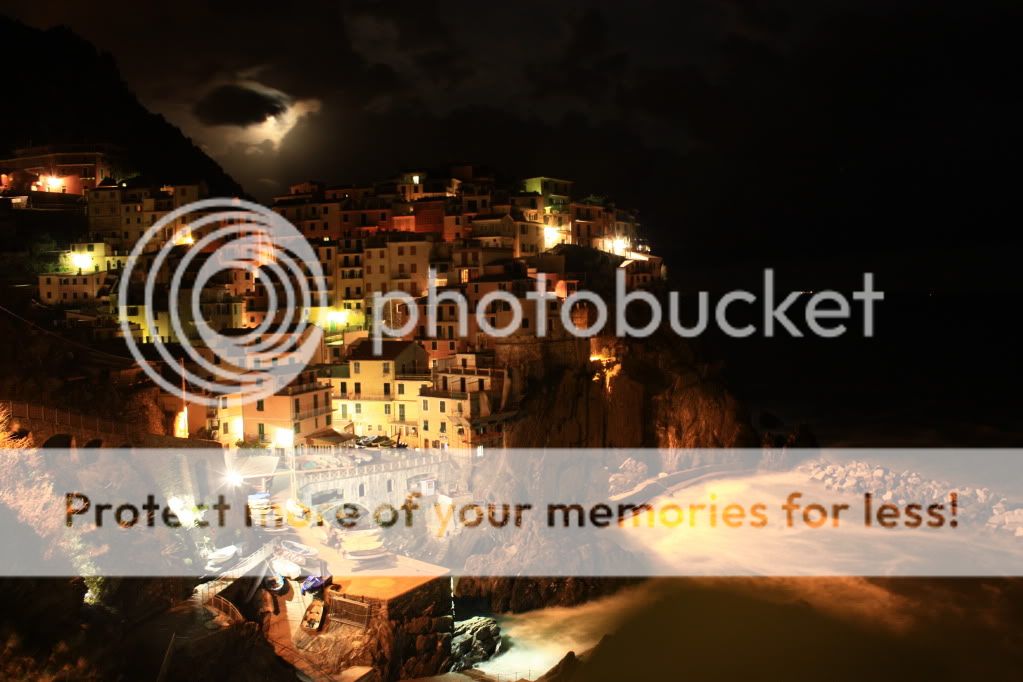
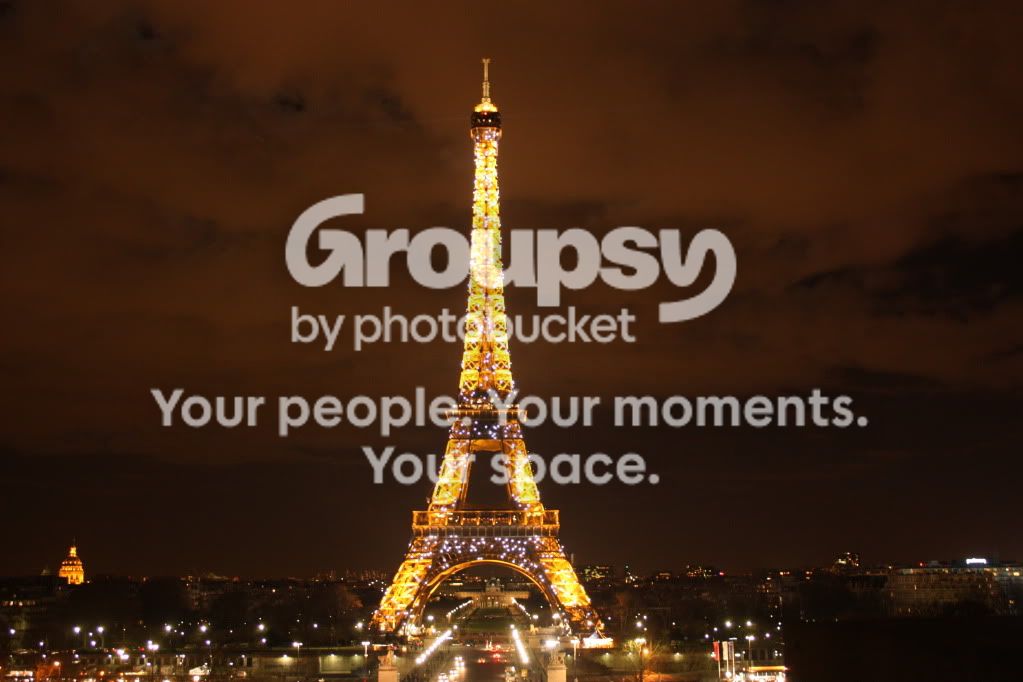
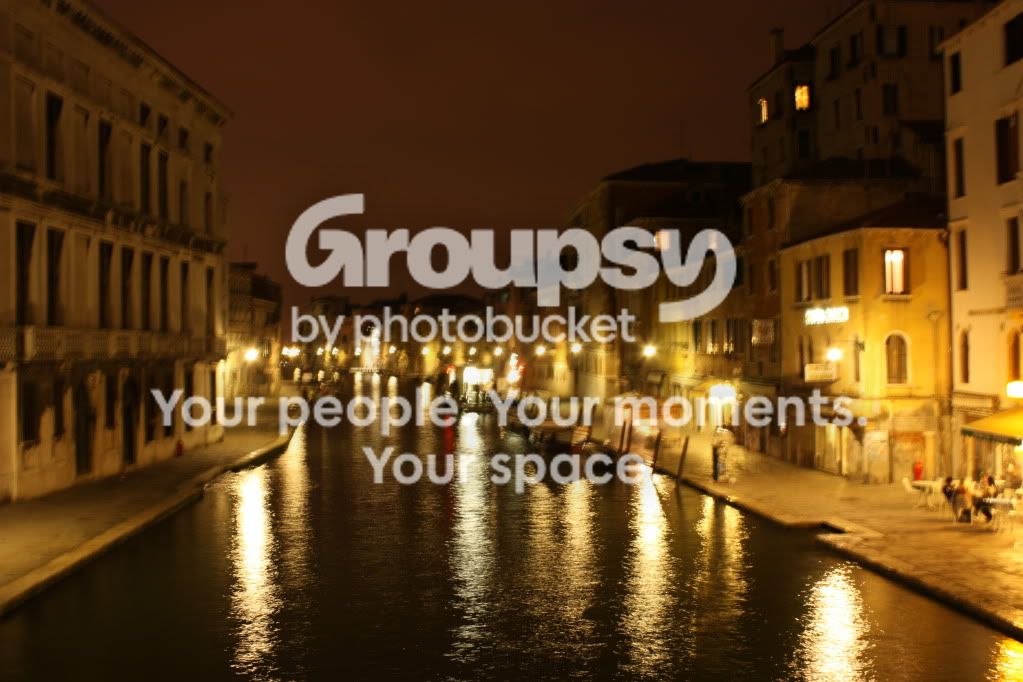
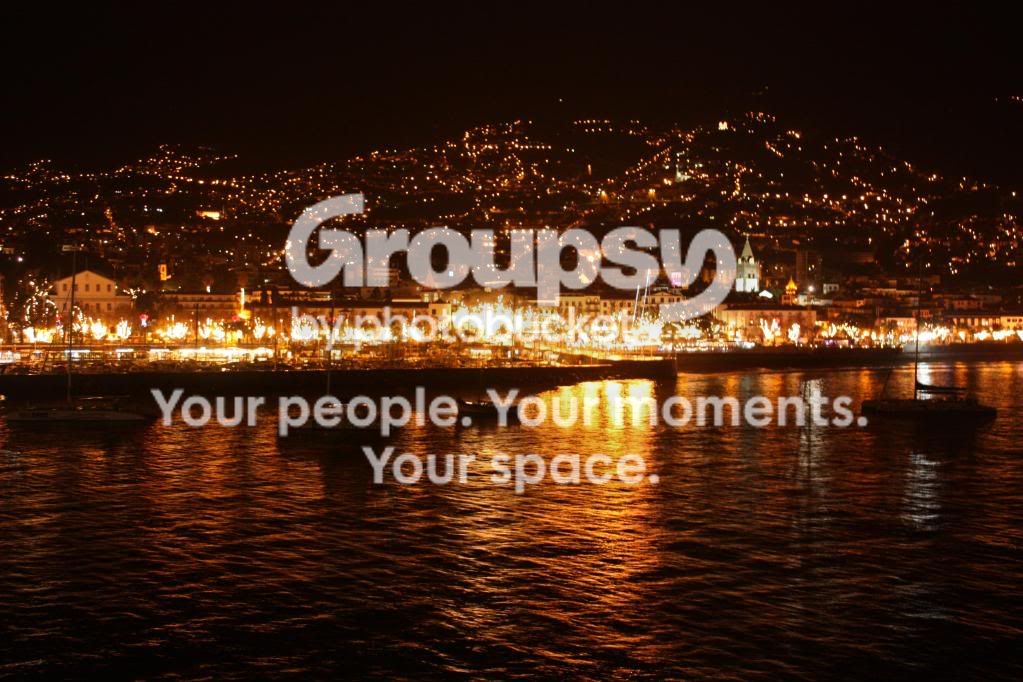
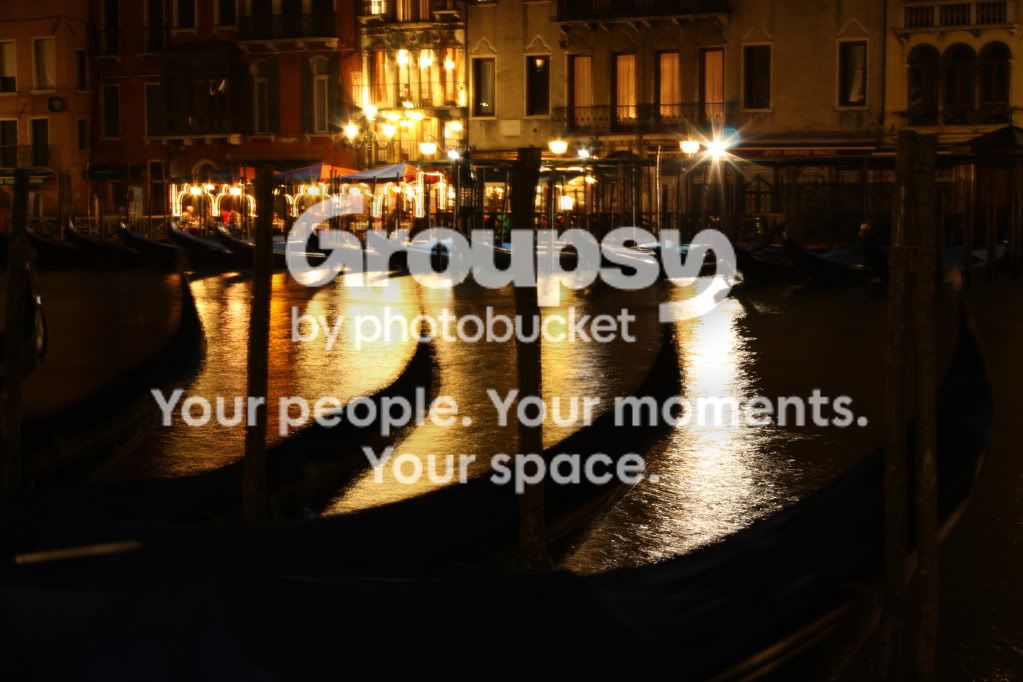
The photos show that you took them with the widest open aperture your camera could set itself to in order to capture the light within the (for the camera) too dark surroundings for photography.
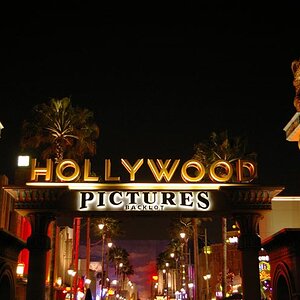
When you delve deeper into your hobby, and invest in a tripod (to my mind it need not be an expensive one, mine's an El cheapo type and does it's work, too), keep in mind that in night photography light sources (street lights, the lit up Eiffel Tower - for example - and so on) will become big, bright blobs when they hit the sensor through the wide open aperture. But they will get more detail, show up smaller, get a bit of a star effect to them, when the aperture is small, less light can hit the sensor, some will squeak its way through the aperture blades (which gives the star effect), so it will be a lot better defined and a lot less "blobby".
HOWEVER, in order to photograph at night with a SMALL aperture (high number! Such as f16 or so), the camera will ask for LOOOONG exposure times - naturally, as less light can hit the sensor at the time. Which means you have not chance BUT to set the camera on the tripod.
In order not to shake it at all, not even by pushing the release button, you might either want to get yourself a remote release (infrared or via cable, mine's an El Cheapo one via cable), or you set your camera on timer, so you can step back and let it release the shutter all by itself without your finger touching (and maybe moving) it.
You will find that your night photography will give you even more pleasure than it is doing already. I'm sure
.



![[No title]](/data/xfmg/thumbnail/40/40311-715dda8167abb793178d6abf7e8136fe.jpg?1734174718)