What's new

I am very much a beginner and would like some advice and opinions on my photos please

dezzyrawrz

TPF Noob!
Joined
Mar 14, 2013
Messages
26
Reaction score
0
Location
mckeesport
Can others edit my Photos
Photos OK to edit
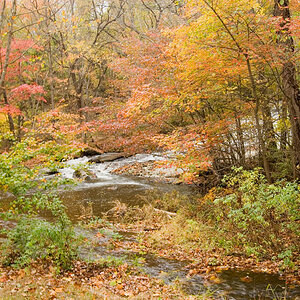
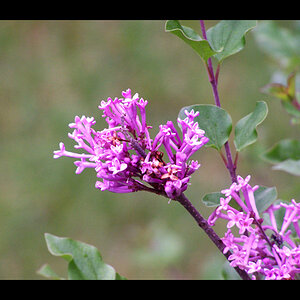
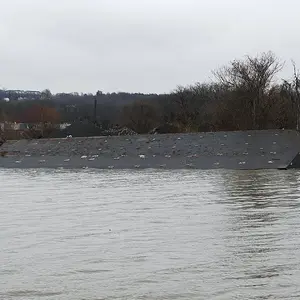
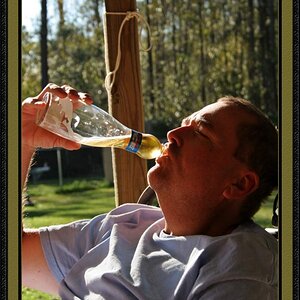
I Just recently started the whole photography thing and i love taken photos, i added a few photos that i recently took well they are like my first ones, and would really love some opinions and advice on getting better please.
 

Attachments

  • $DSCN1638 - Copy.webp
    $DSCN1638 - Copy.webp
    186.7 KB · Views: 160
  • $DSCN1085 - Copy.webp
    $DSCN1085 - Copy.webp
    94.4 KB · Views: 151
  • $DSCN1699 - Copy.webp
    $DSCN1699 - Copy.webp
    312.4 KB · Views: 134
  • $DSCN1803 - Copy.webp
    $DSCN1803 - Copy.webp
    259 KB · Views: 140
  • $DSCN1799 - Copy.webp
    $DSCN1799 - Copy.webp
    281.7 KB · Views: 149
  • $DSCN1682 - Copy.webp
    $DSCN1682 - Copy.webp
    184.5 KB · Views: 126
  • $DSCN1654 - Copy.webp
    $DSCN1654 - Copy.webp
    440.6 KB · Views: 154
  • $DSCN1742 - Copy.webp
    $DSCN1742 - Copy.webp
    306.9 KB · Views: 144
  • $DSCN1716 - Copy.webp
    $DSCN1716 - Copy.webp
    308.4 KB · Views: 135
  • $DSCN1769 - Copy.webp
    $DSCN1769 - Copy.webp
    193.6 KB · Views: 139
There are too many to critique. Post one or two at a time, number them, and help us by telling us what you were trying to do and what (if any) area you want improvement in.

Overall, you seem to have a good eye in picking out interesting details. To go beyond that, we need to know more about what you want to be better at.
 
well i want to be better at everything. i want to become a professional photographer one day, I'm not entirely sure what exactly i should get better at, and if my photographs are even close enough to looking great, i really don't even know how to explain it.

should i re-post the same thing just with like two photos? maybe then i will have more people giving me advice and opinions

My photos bring the beauty out in everything. i love just taking random photos of random things.
I just don't know if what i see is any good to others eyes, you know what i mean.
 
There is, as I'm sure others will tell you, a huge difference between taking photos for fun and doing it professionally. Unless you become so good that people hire you for YOUR vision, most professional photographers get paid for delivering to the client the CLIENT'S vision, and the photographer's contribution is to have the skills, technical knowledge and equipment to make that happen.

As for being good at doing everything - well everything is a very large field, and many skills in photography are particular to that area. For instance, studio lighting, preparation and presentation can take a number of years of study to perfect, and much of that knowledge is useless if you're doing in-the-field sports photography. Underlying all of the fields that you could work at getting good at, are certain basics: Thoroughly understanding your equipment (camera, flash, accessories), having a good grasp on how to use light (both "found" light and "made" light), being able to use compositional elements in an image to capture and sustain interest, knowing how to engage and pose a subject to create good portraits, are some of the basics that will you to move towards your potential. You also have to decide whether your're doing it for yourself (a perfectly good way to enjoy photography), or you're doing it for others (in which case knowing what it is that others look for in images becomes very important).

There are, to my way of thinking, four parts to image-making: 1) Conception, 2) Staging, 3) execution, 4) post-processing. Each contributes something different to the process. Conception is the planning, elaboration of a story or concept, an mental arrangements of elements that need to be in place for an image to have meaning and/or interest. Staging is the arranging of the subject matter in terms of location, posing, staging, lighting, and so forth - essentially the "preparation" part of any planned shoot. Execution is the actual picture taking, ensuring that the exposure is correct, that the DOF covers what it needs to cover, that the background and foreground are either suitably blurred or sharp (depending on the purpose of the image), that the focus is on the right point, etc. Post-processing is the transformation of the image from the camera to an image that you will present to the world, and includes sharpening, tone curve adjustment, cloning out bits that shouldn't be there, ensuring the right colour balance, cropping the image as necessary to keep the focus on the subject, etc. As you can see, there is a lot that goes into constructing effective images - and many of the iconic images that appear to be spontaneous, were actually staged.
 
im a beginner myself and these look great, im going to upload some of mine soon and would be grateful if you could take a look.
 
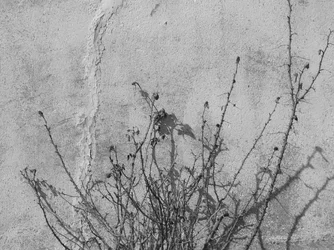
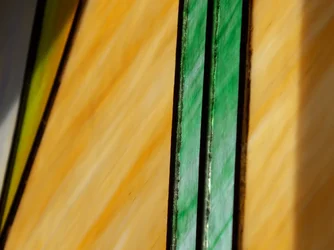
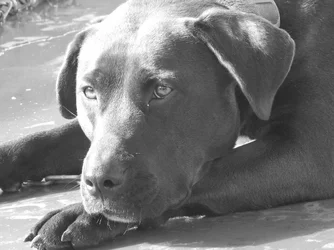
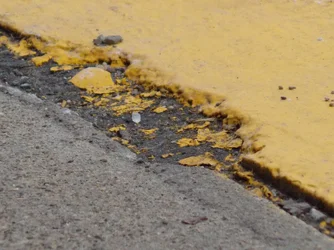
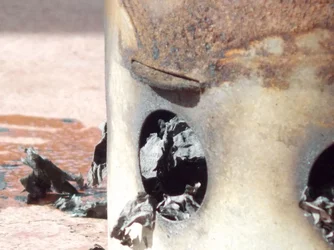
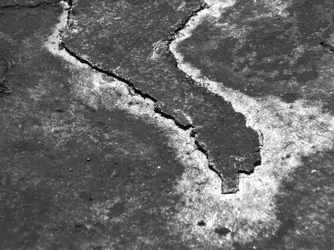
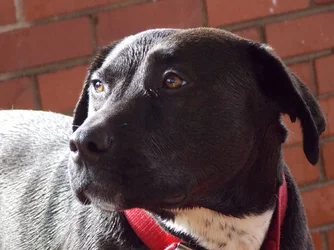
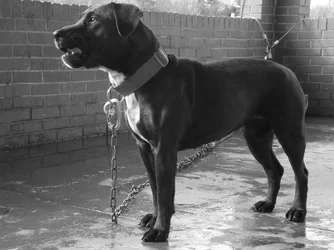
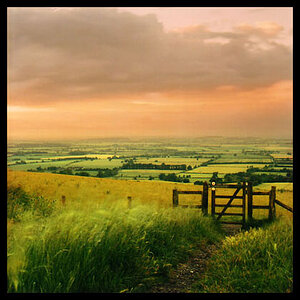
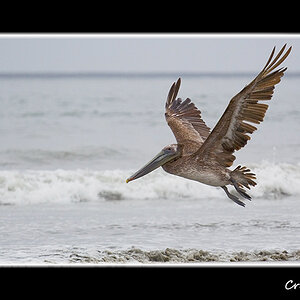
Seems you have a good eye. The photos of the dog have nice lighting. The three abstract images of concrete and metal show a sense of geometry and/or texture.

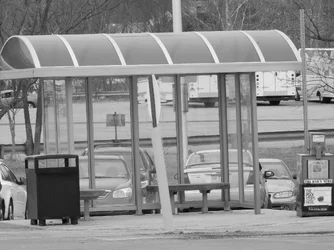
The weakest images, to me, are #1/1st row and #1/2nd row--both B&W. The lighting just isn't there.
 
To Pgriz
thank you for your insight i will take to it all to mind the next time i am out taking photographs i really appreciate you giving me the time to explain every detail you wrote :D

oh, i do photography because i love it i have so much fun shooting. i love how you can pretty much make anything beautiful whether its a broken tree branch to some water on paint its really fun seeing what you find when you are out and about.

As for photoshoping photos i haven't touch any of those photos in photoshop i had to resize them thats about it so i could show them. :D

everything will be noted next time i am out. thanks


To alanlake
i'd love to see your work
but i have a feeling you were asking Pgriz to look at your work.
i'm sure you are good :D

To Jenko
Thank you for the advice
I will focus on lighting when im out again.
 
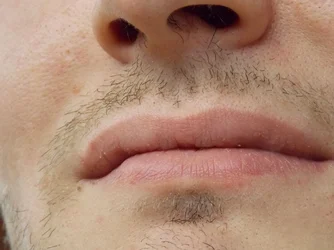
They are all terrible. Trash can? Bus stop? Rock salt? If you can't grow facial hair, please don't try.

Exception being the last dog pic- the brick, chain, heavy collar, he appears to be barking or snarling at someone coming up to your porch. I like it. Maybe you wanted the exposure setting that way, but it's really gray/flat; it doesn't stand out. If I wanted to improve that shot, I would get down just a little bit lower, crank up the ISO and expose properly, then increase the contrast with photo editing software.

Read some tutorials here about exposure and composition. It's pretty easy once you get the hang of it. What kind of camera and what mode are you using? Auto mode is fine, especially when you just want to learn how to take a good photo, but you can really bring out the best when using the creative modes (Manual, aperature priority, shutter speed priority, program), if your camera has them.


There is, as I'm sure others will tell you, a huge difference between taking photos for fun and doing it professionally. Unless you become so good that people hire you for YOUR vision, most professional photographers get paid for delivering to the client the CLIENT'S vision, and the photographer's contribution is to have the skills, technical knowledge and equipment to make that happen.

As for being good at doing everything - well everything is a very large field, and many skills in photography are particular to that area. For instance, studio lighting, preparation and presentation can take a number of years of study to perfect, and much of that knowledge is useless if you're doing in-the-field sports photography. Underlying all of the fields that you could work at getting good at, are certain basics: Thoroughly understanding your equipment (camera, flash, accessories), having a good grasp on how to use light (both "found" light and "made" light), being able to use compositional elements in an image to capture and sustain interest, knowing how to engage and pose a subject to create good portraits, are some of the basics that will you to move towards your potential. You also have to decide whether your're doing it for yourself (a perfectly good way to enjoy photography), or you're doing it for others (in which case knowing what it is that others look for in images becomes very important).

There are, to my way of thinking, four parts to image-making: 1) Conception, 2) Staging, 3) execution, 4) post-processing. Each contributes something different to the process. Conception is the planning, elaboration of a story or concept, an mental arrangements of elements that need to be in place for an image to have meaning and/or interest. Staging is the arranging of the subject matter in terms of location, posing, staging, lighting, and so forth - essentially the "preparation" part of any planned shoot. Execution is the actual picture taking, ensuring that the exposure is correct, that the DOF covers what it needs to cover, that the background and foreground are either suitably blurred or sharp (depending on the purpose of the image), that the focus is on the right point, etc. Post-processing is the transformation of the image from the camera to an image that you will present to the world, and includes sharpening, tone curve adjustment, cloning out bits that shouldn't be there, ensuring the right colour balance, cropping the image as necessary to keep the focus on the subject, etc. As you can see, there is a lot that goes into constructing effective images - and many of the iconic images that appear to be spontaneous, were actually staged.

Holy information overload!
 
They are all terrible. Trash can? Bus stop? Rock salt? If you can't grow facial hair, please don't try.

Exception being the last dog pic- the brick, chain, heavy collar, he appears to be barking or snarling at someone coming up to your porch. I like it. Maybe you wanted the exposure setting that way, but it's really gray/flat; it doesn't stand out. If I wanted to improve that shot, I would get down just a little bit lower, crank up the ISO and expose properly, then increase the contrast with photo editing software.

Read some tutorials here about exposure and composition. It's pretty easy once you get the hang of it. What kind of camera and what mode are you using? Auto mode is fine, especially when you just want to learn how to take a good photo, but you can really bring out the best when using the creative modes (Manual, aperature priority, shutter speed priority, program), if your camera has them.


There is, as I'm sure others will tell you, a huge difference between taking photos for fun and doing it professionally. Unless you become so good that people hire you for YOUR vision, most professional photographers get paid for delivering to the client the CLIENT'S vision, and the photographer's contribution is to have the skills, technical knowledge and equipment to make that happen.

As for being good at doing everything - well everything is a very large field, and many skills in photography are particular to that area. For instance, studio lighting, preparation and presentation can take a number of years of study to perfect, and much of that knowledge is useless if you're doing in-the-field sports photography. Underlying all of the fields that you could work at getting good at, are certain basics: Thoroughly understanding your equipment (camera, flash, accessories), having a good grasp on how to use light (both "found" light and "made" light), being able to use compositional elements in an image to capture and sustain interest, knowing how to engage and pose a subject to create good portraits, are some of the basics that will you to move towards your potential. You also have to decide whether your're doing it for yourself (a perfectly good way to enjoy photography), or you're doing it for others (in which case knowing what it is that others look for in images becomes very important).

There are, to my way of thinking, four parts to image-making: 1) Conception, 2) Staging, 3) execution, 4) post-processing. Each contributes something different to the process. Conception is the planning, elaboration of a story or concept, an mental arrangements of elements that need to be in place for an image to have meaning and/or interest. Staging is the arranging of the subject matter in terms of location, posing, staging, lighting, and so forth - essentially the "preparation" part of any planned shoot. Execution is the actual picture taking, ensuring that the exposure is correct, that the DOF covers what it needs to cover, that the background and foreground are either suitably blurred or sharp (depending on the purpose of the image), that the focus is on the right point, etc. Post-processing is the transformation of the image from the camera to an image that you will present to the world, and includes sharpening, tone curve adjustment, cloning out bits that shouldn't be there, ensuring the right colour balance, cropping the image as necessary to keep the focus on the subject, etc. As you can see, there is a lot that goes into constructing effective images - and many of the iconic images that appear to be spontaneous, were actually staged.

Holy information overload!
Sorry, did I not get the memo where you were appointed sole judge of what is and is not good, photographically speaking? Photography is almost totally subjective, and while the images the OP has posted may not be the ones you or I would take, his choice of subject matter does NOT make them bad images. prgriz' post is an excellent, well reasoned and informative post which could be very beneficial to the OP. Perhaps I could suggest that you relax a little bit?
 
I have a Nikon CoolPix L810 it doesn't do manual, thanks for all the advice and you opionions i will read up more on exposure and composition

And for the dog picture of her barking i was just goofing around then, i will take everything you said and next time i come back with new photos i hope to get your opinion, shockingly it takes criticism in order to get better it all cannot be great but i appreciate your honesty and will do some more reading about quite a bit :D
 
They are all terrible. Trash can? Bus stop? Rock salt? If you can't grow facial hair, please don't try.

Exception being the last dog pic- the brick, chain, heavy collar, he appears to be barking or snarling at someone coming up to your porch. I like it. Maybe you wanted the exposure setting that way, but it's really gray/flat; it doesn't stand out. If I wanted to improve that shot, I would get down just a little bit lower, crank up the ISO and expose properly, then increase the contrast with photo editing software.

Read some tutorials here about exposure and composition. It's pretty easy once you get the hang of it. What kind of camera and what mode are you using? Auto mode is fine, especially when you just want to learn how to take a good photo, but you can really bring out the best when using the creative modes (Manual, aperature priority, shutter speed priority, program), if your camera has them.


Holy information overload!

Don't hold back, tell us how you really feel.

I thought pgriz's reply was very helpful and great info for a new photographer.
 
ooooh by the way he said my trash can? well it was actually a burn barrel. lol ;P just saying.
 
Watch your horizons when there is one clearly defined. Like the bus stop shot, or whatever that is. Tiltled horizons seldom work. This is usually not an issue, however, with the more abstract shots, such as some you posted.
 
I have a Nikon CoolPix L810 it doesn't do manual, thanks for all the advice and you opionions i will read up more on exposure and composition

And for the dog picture of her barking i was just goofing around then, i will take everything you said and next time i come back with new photos i hope to get your opinion, shockingly it takes criticism in order to get better it all cannot be great but i appreciate your honesty and will do some more reading about quite a bit :D

Part of the fun of photography is to be able to guide the process to better reflect your vision. Point-and-shoot cameras are wonderful for capturing moments, but their drawback is that they make a lot of photographic decisions for you, and not all of these automatic decisions are good for your image. It doesn't mean you need to get expensive gear to be a good photographer, but it does mean that as you evolve as a photographer, you may want to control certain aspects in your own way. For instance, two characteristics that are difficult for most point-and-shoot cameras, is to have the point of focus fall on something specific, and to have enough out-of-focus background to keep the attention of the viewer on the subject. A point-and-shoot camera, for the most part, is not designed to work with off-camera flash or light, and this capability becomes important when you get to the point of wanting to use the light to sculpt the figure, or highlight a texture.

Working with what you have, getting some books on composition would be of help to you. This thread (http://www.thephotoforum.com/forum/...299286-new-feature-photography-tutorials.html) has a LOT of good information, and I would suggest you look up the parts on composition and lighting. While it is true that your camera doesn't allow you much control, you DO have control over where you point it. By training your eye to recognize the elements of composition and the type and quality of light, you will move your skill forward quite effectively. At some point, you probably will want to invest in equipment that gives you more control, but that is always your decision.
 

Create an account or login to comment

You must be a member in order to leave a comment

Create account

Create an account on our community. It's easy!

Log in

Already have an account? Log in here.

Back
Top Bottom